

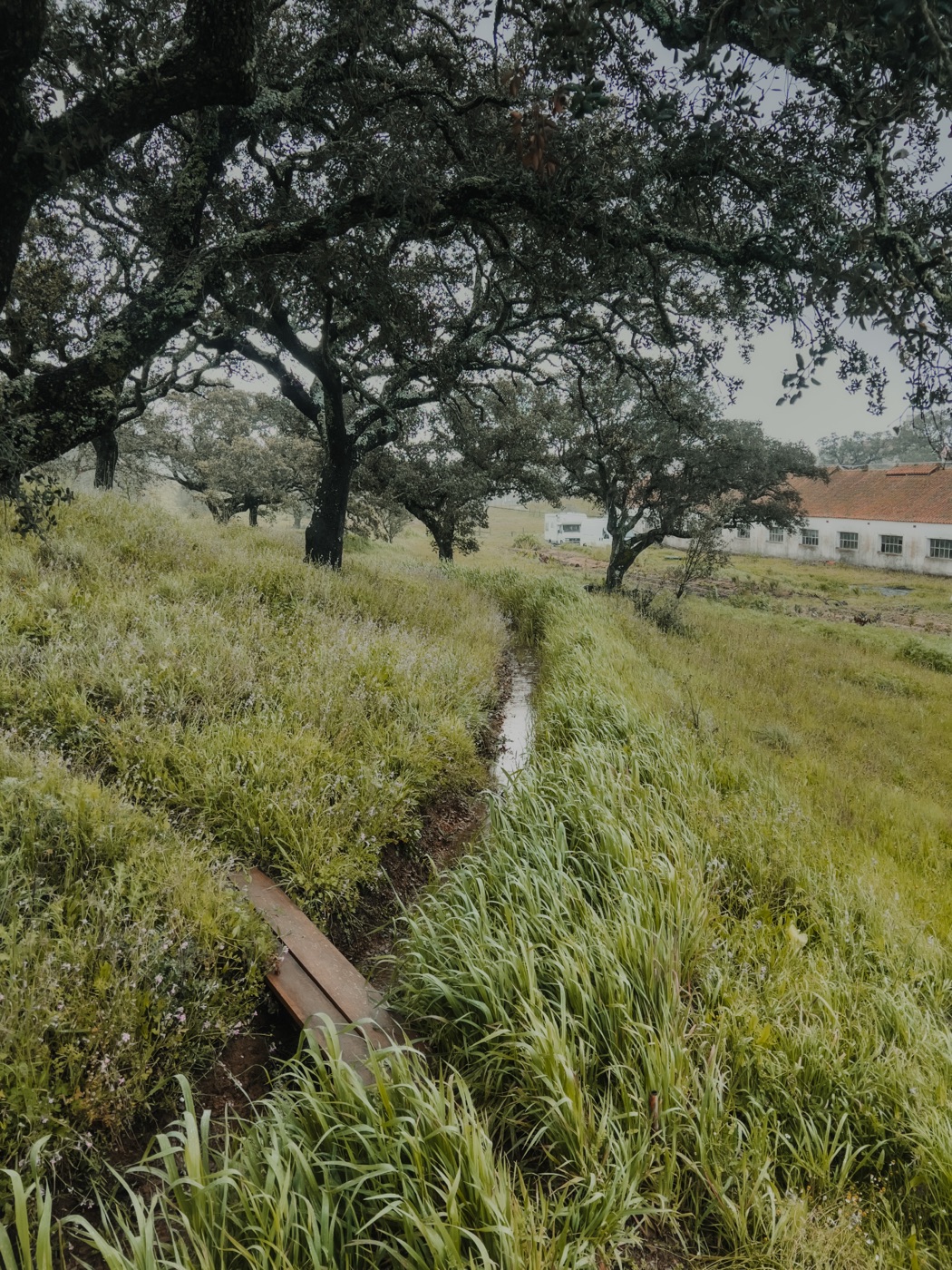
Water Retention Landscapes Permaculture
Designing landscapes using permaculture principles to slow, spread, and sink water into the ground, restoring the hydrological cycle through earthworks, swales, ponds, and other water retention features.
What are Water Retention Landscapes?
Water retention landscapes are designed systems that capture, slow, spread, and sink rainwater into the ground, restoring natural hydrological cycles. Based on permaculture principles, these landscapes use earthworks and vegetation to maximize water infiltration and minimize runoff.
At OASA, water retention landscapes are a core regenerative principle, essential for restoring water systems and supporting ecosystem health.
Permaculture Principles for Water
Slow, Spread, Sink
The core principle of water retention landscapes:
- Slow: Slow water flow to prevent erosion and allow infiltration
- Spread: Spread water across the landscape to maximize contact with soil
- Sink: Sink water into the ground to recharge aquifers
Observe and Interact
Understanding natural water flow patterns:
- Observing where water naturally flows
- Identifying areas of erosion and runoff
- Understanding seasonal water patterns
- Designing interventions that work with natural systems
Design from Patterns to Details
Starting with watershed-scale patterns:
- Understanding entire watersheds
- Designing at multiple scales
- Creating integrated water systems
- Connecting features into functional networks
Water Retention Features
Swales
Contour ditches that capture and infiltrate water:
- Dug on contour (level) across slopes
- Capture runoff and allow infiltration
- Support vegetation on berms
- Prevent erosion and build soil
Ponds and Reservoirs
Water storage features that:
- Capture and store rainwater
- Provide water for irrigation and use
- Support aquatic ecosystems
- Recharge groundwater through seepage
Terraces
Level platforms on slopes that:
- Prevent erosion
- Slow water flow
- Create growing areas
- Maximize water infiltration
Keyline Design
A design system that:
- Uses key points in landscape topography
- Distributes water across entire landscapes
- Maximizes water infiltration
- Creates productive growing areas
Benefits of Water Retention Landscapes
- Aquifer Recharge: Recharges groundwater and restores base flows
- Erosion Prevention: Prevents soil erosion from runoff
- Drought Resilience: Stores water for dry periods
- Ecosystem Support: Supports diverse vegetation and wildlife
- Productivity: Creates productive growing areas
- Climate Resilience: Builds resilience to climate change
Water Retention in Regenerative Commons
In regenerative commons, water retention landscapes:
- Support regenerative principles for water
- Improve ecosystem health over time
- Create productive growing areas for regenerative agriculture
- Support agroforestry systems
- Integrate with rewilding areas
Permaculture Design Process
Site Analysis
Understanding the site:
- Topography and slope
- Water flow patterns
- Soil types and infiltration rates
- Existing vegetation
- Climate and rainfall patterns
Design Development
Creating integrated designs:
- Placing water features strategically
- Connecting features into systems
- Integrating with other elements
- Designing for multiple functions
Implementation
Building water retention features:
- Earthworks construction
- Vegetation establishment
- System integration
- Monitoring and adjustment
Water Retention in Practice
At Traditional Dream Factory, water retention landscapes have captured 1.2 million liters of rainwater through:
- Swales on contour across the landscape
- Ponds and reservoirs for storage
- Terraces for growing areas
- Integration with agroforestry systems
Integration with Other Regenerative Practices
Water retention landscapes integrate with:
- Agroforestry: Trees and crops benefit from improved water availability
- Soil Building: Water retention supports soil health
- Biodiversity: Water features support diverse ecosystems
- Rewilding: Natural water systems support rewilded areas
Learn More
Read the OASA Constitution for the complete framework of regenerative principles.
See also: Water Retention Landscapes, Regenerative Principles Soil Water Air, Agroforestry
Related Terms
- Water Retention Landscapes - Core concept
- Regenerative Principles Soil Water Air - Water principles
- Agroforestry - Integration with water systems
- Regenerative Agriculture Commons Model - Agriculture with water retention