

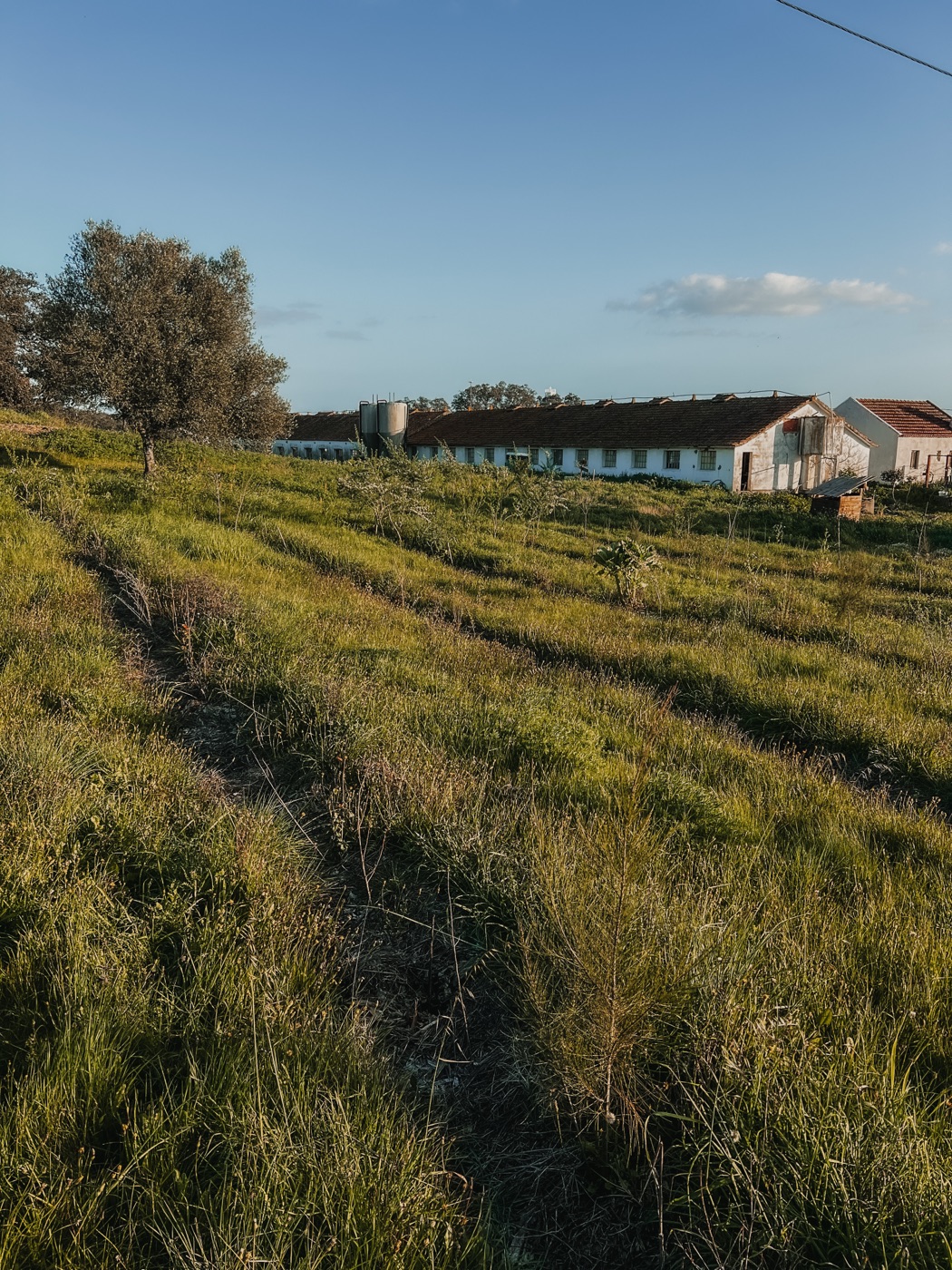
Traditional Dream Factory Case Study
OASA's flagship regenerative commons project in Alentejo, Portugal—a 25-hectare regenerative village that demonstrates regenerative commons economics, perpetual commons, and regenerative principles in practice.
What is Traditional Dream Factory?
Traditional Dream Factory is OASA's flagship project—a 25-hectare regenerative village in Alentejo, Portugal that combines coliving, coworking, and ecological restoration. The project demonstrates how regenerative commons can restore ecosystems while creating thriving communities.
Traditional Dream Factory serves as a living laboratory for OASA's model, demonstrating all seven regenerative principles in practice.
Project Overview
Location and Scale
Traditional Dream Factory is located in Alentejo, Portugal:
- 25 hectares of land
- Rural setting with access to nature
- Integration with local community
- Demonstration of regenerative practices at scale
Land Tenure
The land is held in perpetual commons through perpetual land trust:
- Land can never be sold or privatized
- Owned by nonprofit commons entity
- Permanently protected for future generations
- Demonstrates land as commons not commodities
Regenerative Principles in Practice
1. Soil
Building soil health through:
- Agroforestry systems that build organic matter
- Composting and organic amendments
- Minimal tillage practices
- Diverse plant systems
2. Water
Improving water systems through:
- Water retention landscapes capturing 1.2 million liters
- Swales, ponds, and earthworks
- Aquifer recharge through infiltration
- Watershed restoration
3. Air
Improving air quality through:
- Tree planting and agroforestry
- Carbon sequestration
- Renewable energy systems
- Natural air filtration
4. Waste
Eliminating waste through:
- Composting systems
- Circular resource use
- Zero waste to landfill
- Designing out waste
5. Rewilding and Biodiversity
Supporting biodiversity through:
- 50% of land dedicated to rewilding
- Native species restoration
- Habitat creation for wildlife
- Support for keystone species
6. Resources
Using renewable resources:
- Renewable energy systems
- Sustainable materials
- Resource efficiency
- Generating more resources than consumed
7. Community
Supporting strong communities through:
- DAO governance with transparent decision-making
- Mutual support networks
- Shared resources and infrastructure
- Community values alignment
Coliving and Coworking
Traditional Dream Factory combines:
- Coliving: Community living spaces with shared common areas
- Coworking: High-speed internet and dedicated workspaces
- Community: Shared meals, events, and activities
- Regeneration: Participation in regenerative practices
This creates a space where people can live, work, and participate in ecological restoration together.
Governance Model
Traditional Dream Factory uses DAO governance:
- Transparent, participatory decision-making
- Token-based participation for token holders
- Decisions aligned with regenerative principles
- Community autonomy within ecological boundaries
Economic Model
Traditional Dream Factory demonstrates regenerative commons economics:
- Tokenized access rights sold through bonding curves
- Returns compound in ecosystem health
- Land held in perpetual commons
- Long-term thinking and intergenerational responsibility
Key Achievements
- Water Retention: 1.2 million liters of rainwater captured
- Soil Building: Agroforestry systems building soil organic matter
- Biodiversity: 50% of land dedicated to rewilding
- Community: Thriving community with participatory governance
- Demonstration: Living example of regenerative commons at scale
Lessons Learned
Traditional Dream Factory demonstrates:
- Regenerative Principles Work: All seven principles can be implemented together
- Community is Essential: Strong communities are needed for long-term stewardship
- Governance Matters: Transparent governance builds trust and participation
- Long-Term Thinking: Intergenerational thinking creates lasting value
- Scalability: Model can be replicated across bioregions
Future Vision
Traditional Dream Factory is part of OASA's vision to steward 100,000 hectares as living commons, demonstrating how regenerative commons can scale to create networks of restored ecosystems and thriving communities.
Learn More
Visit Traditional Dream Factory to learn more about the project.
See also: Regenerative Commons Economics, Regenerative Principles, Perpetual Commons
Related Terms
- Regenerative Commons Economics - Economic model demonstrated
- Regenerative Principles - Principles in practice
- Perpetual Commons - Land tenure model
- DAO Governance - Governance model