

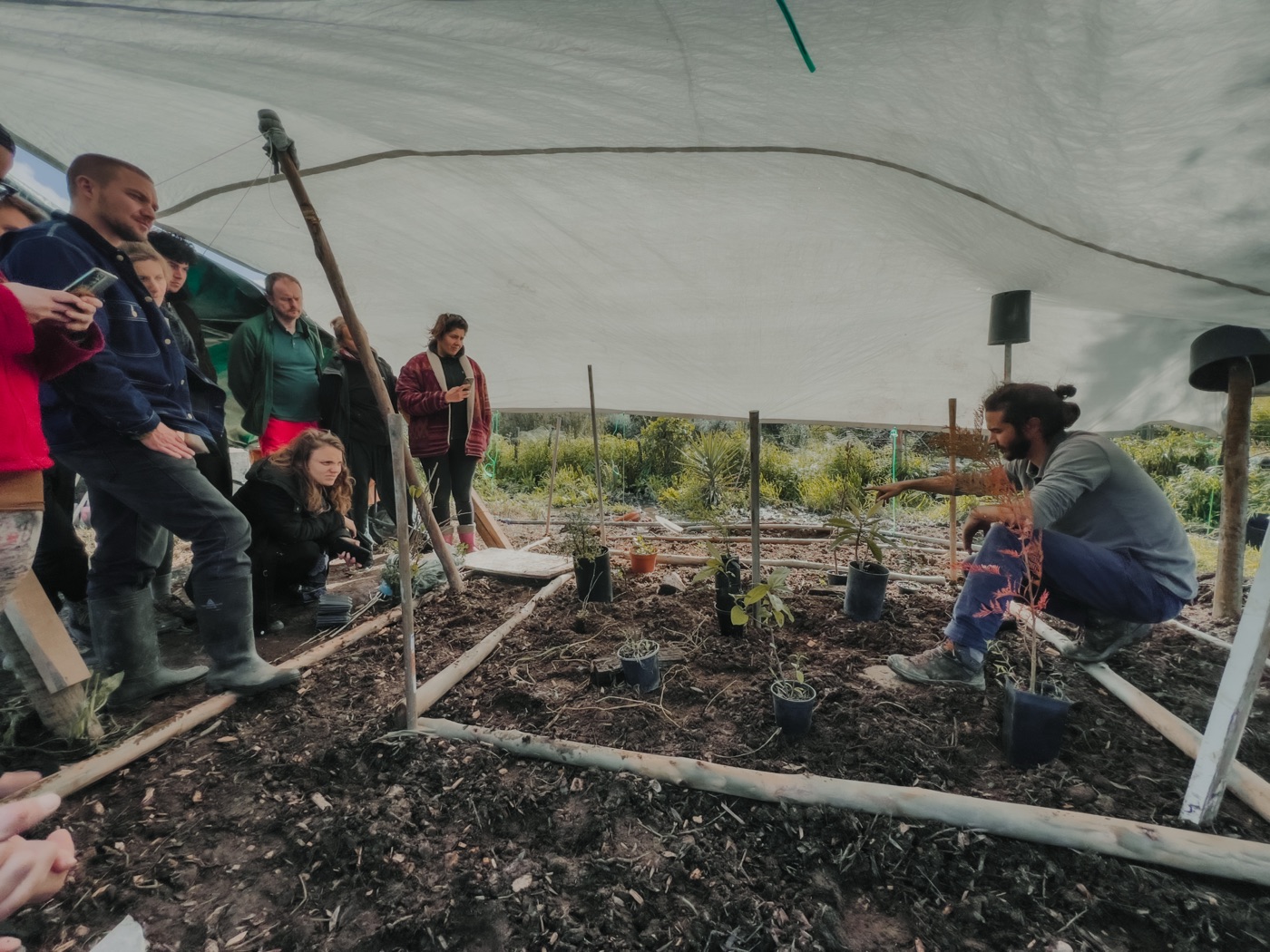
Self-Sufficient Living
Communities that produce their own food, energy, water, and other essential resources, reducing dependence on external systems while building resilience, sustainability, and connection to the land.
What is Self-Sufficient Living?
Self-sufficient living is a lifestyle where communities produce their own essential resources—food, energy, water, and materials—reducing dependence on external systems. This builds resilience, reduces environmental impact, and creates deeper connection to the land and community.
At OASA, self-sufficient living integrates with regenerative practices, where communities not only produce their own resources but actively restore ecosystems through regenerative commons.
Core Elements of Self-Sufficiency
Food Production
Producing food locally:
- Regenerative agriculture and agroforestry
- Food forests and permaculture gardens
- Livestock and animal products
- Preservation and storage systems
Energy Production
Generating renewable energy:
- Solar panels and solar energy systems
- Wind power where appropriate
- Micro-hydro systems
- Biomass and biogas systems
Water Systems
Managing water independently:
- Water retention landscapes and rainwater harvesting
- Wells and groundwater access
- Water treatment and filtration
- Greywater and wastewater systems
Material Production
Producing materials locally:
- Building materials from local sources
- Wood from agroforestry systems
- Natural fibers and textiles
- Recycling and reusing materials
Self-Sufficiency vs. Complete Independence
Self-sufficiency doesn't mean complete isolation:
- Self-Sufficient: Producing essential resources locally
- Independent: Complete isolation from external systems
Most self-sufficient communities maintain connections with broader society while producing core resources locally.
Benefits of Self-Sufficient Living
- Resilience: Less vulnerable to external disruptions
- Reduced Impact: Lower carbon footprint and resource use
- Cost Savings: Lower ongoing costs for resources
- Connection: Deeper connection to land and community
- Skills: Learning practical skills and knowledge
Self-Sufficiency in Communities
In sustainable communities and ecovillages, self-sufficiency includes:
- Shared food production systems
- Collective energy infrastructure
- Community water management
- Shared tools and resources
- Mutual support and skill sharing
Integration with Regenerative Practices
Self-sufficient living integrates with regenerative practices:
- Soil: Food production builds soil health
- Water: Water retention supports self-sufficiency
- Biodiversity: Diverse systems support resilience
- Resources: Producing more resources than consumed
Self-Sufficient Living in Regenerative Commons
In regenerative commons, self-sufficient living:
- Supports commons-based stewardship
- Integrates with regenerative principles
- Builds long-term resilience
- Creates foundation for intergenerational sustainability
Challenges of Self-Sufficient Living
Self-sufficient living requires:
- Significant initial investment in infrastructure
- Knowledge and skills in multiple areas
- Time and labor for resource production
- Community coordination and cooperation
- Long-term commitment and maintenance
Self-Sufficient Living in Practice
At OASA projects, self-sufficient living is demonstrated through:
- Local food production through agroforestry
- Renewable energy systems
- Water retention and management
- Composting and waste reduction
- Integration with regenerative practices
Learn More
Explore OASA's self-sufficient living practices and join a regenerative community.
See also: Sustainable Living, Regenerative Principles, Sustainable Community
Related Terms
- Sustainable Living - Related lifestyle practices
- Regenerative Principles - Practices that support self-sufficiency
- Sustainable Community - Communities designed for sustainability
- Agroforestry - Food production systems