

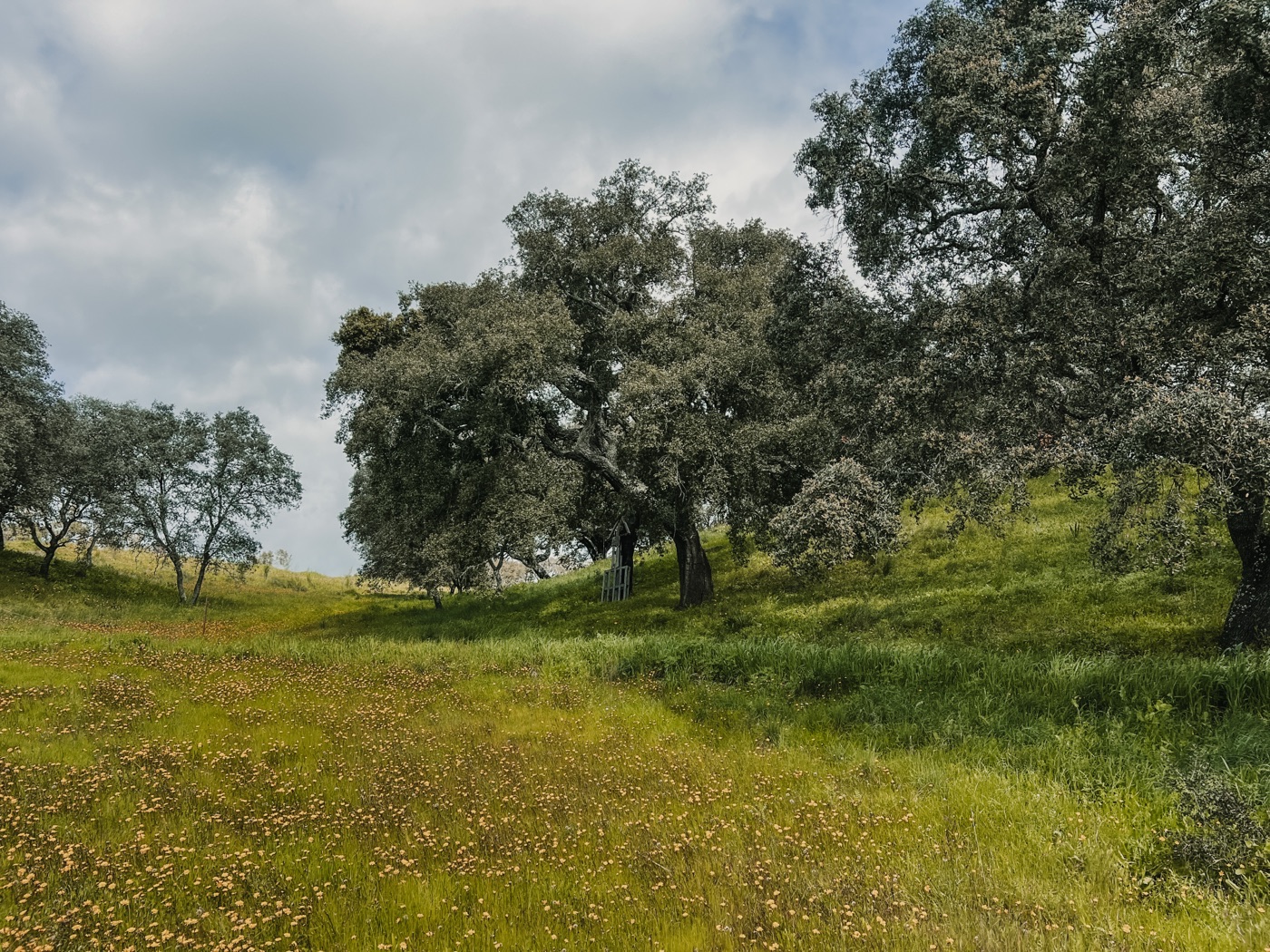
Rewilding 50% Land Conservation
OASA's mandatory requirement that at least 50% of project land must be dedicated to rewilding and biodiversity conservation, creating core wilderness areas that support ecosystem function and native species recovery.
What is the 50% Rewilding Requirement?
All OASA projects must dedicate at least 50% of their land to rewilding and biodiversity conservation. This is one of the seven regenerative principles that all projects must uphold, ensuring that every project creates core wilderness areas that support ecosystem function.
This requirement is enshrined in the OASA Constitution and cannot be waived. It ensures that regenerative commons projects prioritize biodiversity conservation alongside human needs.
Why 50%?
The 50% requirement balances human needs with ecosystem needs:
- Ecosystem Function: Large contiguous areas are needed for keystone species and ecosystem processes to function
- Biodiversity Recovery: Sufficient habitat is required for native species to recover and thrive
- Ecological Resilience: Large wild areas provide resilience against climate change and other disturbances
- Human Needs: The remaining 50% can support human activities like agroforestry, housing, and infrastructure
What Counts as Rewilded Land?
Land counts toward the 50% requirement if it:
- Is allowed to return to natural processes with minimal human intervention
- Supports native vegetation and wildlife
- Is protected from development, extraction, or intensive use
- Contributes to ecosystem function and biodiversity
- May include restoration of degraded areas through rewilding practices
Land Conservation Practices
The 50% rewilded area may include:
- Existing Wilderness: Areas that are already wild or semi-wild
- Active Rewilding: Areas being restored through rewilding practices
- Native Species Restoration: Areas where native flora and fauna are being reintroduced
- Protected Corridors: Wildlife corridors connecting larger wild areas
- Buffer Zones: Areas protecting core wilderness from human activity
Integration with Other Regenerative Principles
The 50% rewilding requirement works with other regenerative principles:
- Biodiversity: The rewilded area supports the "Rewilding and Biodiversity" principle
- Water: Wild areas improve water retention and hydrological function
- Soil: Natural processes build soil health without human intervention
- Air: Wild vegetation sequesters carbon and improves air quality
50% Rewilding in Practice
At Traditional Dream Factory, a 25-hectare project:
- Dedicates at least 12.5 hectares (50%) to rewilding and conservation
- Allows native species to return and ecosystem processes to restore
- Creates core wilderness areas that support biodiversity
- Uses the remaining 50% for agroforestry, housing, and infrastructure
Benefits of 50% Conservation
Dedicating 50% of land to rewilding provides:
- Biodiversity Recovery: Sufficient habitat for native species to thrive
- Ecosystem Function: Large enough areas for natural processes to operate
- Climate Resilience: Wild areas provide resilience against climate change
- Carbon Sequestration: Natural vegetation sequesters carbon
- Water Systems: Wild areas improve water retention and quality
- Human Well-being: Access to nature improves quality of life
Enforcement and Monitoring
The 50% requirement is:
- Constitutional: Enshrined in the OASA Constitution
- Mandatory: Cannot be waived or reduced
- Monitored: Projects must demonstrate compliance
- Enforced: Violations can result in project revocation
Supporting Humans as Keystone Species
The 50% rewilding requirement supports humans as keystone species by:
- Creating conditions for native keystone species to return
- Allowing ecosystem processes to restore
- Providing habitat for biodiversity recovery
- Demonstrating how human action can support rather than harm ecosystems
Learn More
Read the OASA Constitution for the complete framework of regenerative principles.
See also: Rewilding, Regenerative Principles, Humans as Keystone Species
Related Terms
- Biodiversity - Where we stand and why 50% conservation matters
- Sixth Mass Extinction - The crisis that rewilding helps counter
- Rewilding - Restoring natural processes
- Regenerative Principles - Complete framework including biodiversity
- Keystone Species - Species supported by rewilded areas
- Humans as Keystone Species - Human role in supporting rewilding