

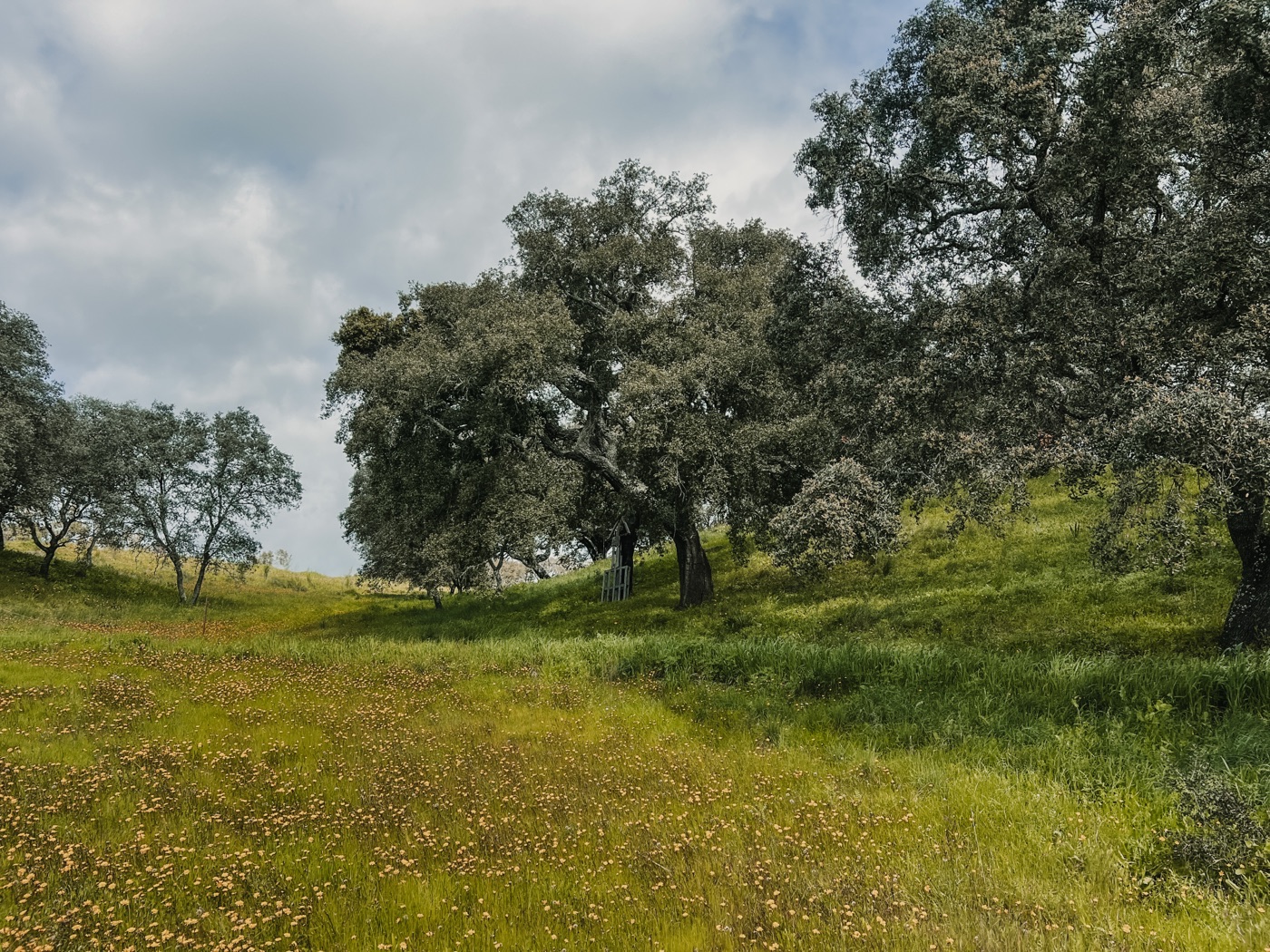
Rewilding
Giving land back to natural processes, allowing forests to regrow, rivers to meander, and native species to reclaim their niches, restoring ecosystem integrity and biodiversity.
What is Rewilding?
Rewilding is the practice of restoring ecosystems to their natural state by allowing natural processes to return. Rather than managing land for specific outcomes, rewilding lets nature take the lead, allowing forests to regrow, rivers to flow naturally, and native species to reclaim their ecological roles.
OASA requires at least 50% of project land to be kept as wild or rewilded, where native flora and fauna restore ecosystem integrity. This creates core wilderness areas that support keystone species and biodiversity while providing ecosystem services to the entire project.
Rewilding Definition and Principles
Rewilding is based on several key principles:
- Natural Processes: Allowing natural ecological processes to function without human intervention
- Native Species: Supporting the return of native species and keystone species
- Minimal Intervention: Letting nature lead rather than managing for specific outcomes
- Large Scale: Creating large enough areas for natural processes to function
- Connectivity: Connecting rewilded areas to allow species movement
Rewilding Examples
Yellowstone National Park
The reintroduction of wolves to Yellowstone demonstrates rewilding's cascading effects. Wolves controlled elk populations, allowing vegetation to recover, which supported beavers, birds, and other species, restoring ecosystem balance.
Oostvaardersplassen, Netherlands
This rewilding project allows natural processes to shape the landscape, with large herbivores creating diverse habitats that support many species.
Traditional Dream Factory
At Traditional Dream Factory, 50% of the 25 hectares is dedicated to rewilding, creating a wild core where native species can thrive and natural processes can function.
50% Land Conservation and Rewilding
OASA's 50% land conservation requirement ensures that at least half of every project is dedicated to rewilding and biodiversity. This creates:
- Wild Core: Large areas where natural processes dominate
- Biodiversity Hotspots: Areas that support diverse native species
- Ecosystem Services: Water regulation, carbon sequestration, pollination
- Keystone Species Habitat: Space for keystone species to thrive
Rewilding vs. Conservation
Traditional conservation often focuses on maintaining current states or protecting specific species. Rewilding goes further by:
- Allowing natural processes to shape ecosystems
- Supporting the return of native species, including large predators
- Creating self-sustaining ecosystems that don't require ongoing management
- Restoring ecosystem function rather than just protecting what exists
Benefits of Rewilding
- Biodiversity: Supports diverse native species and keystone species
- Ecosystem Services: Improves water quality, carbon sequestration, pollination
- Resilience: Creates ecosystems that can adapt to change
- Natural Beauty: Restores wild, beautiful landscapes
- Scientific Value: Provides opportunities to study natural processes
OASA's Rewilding Approach
OASA projects integrate rewilding with regenerative practices:
- 50% Wild Core: At least half of land dedicated to rewilding
- Native Species: Supporting return of native flora and fauna
- Natural Processes: Allowing natural succession and ecosystem development
- Connectivity: Connecting rewilded areas to larger ecosystems
- Monitoring: Tracking biodiversity and ecosystem health through environmental DNA monitoring
Learn More
Explore 50% land conservation and how OASA integrates rewilding into regenerative projects.
See also: Keystone Species, Regenerative Principles, Biodiversity
Related Terms
- Rewilding 50 Percent Land Conservation - OASA's rewilding requirement
- Keystone Species - Species that support rewilding
- Regenerative Principles - Practices that support rewilding
- Biodiversity - Diversity restored through rewilding
- Ecosystem Collapse and Tipping Points - The critical thresholds rewilding helps prevent
- Sixth Mass Extinction - The extinction crisis rewilding addresses