

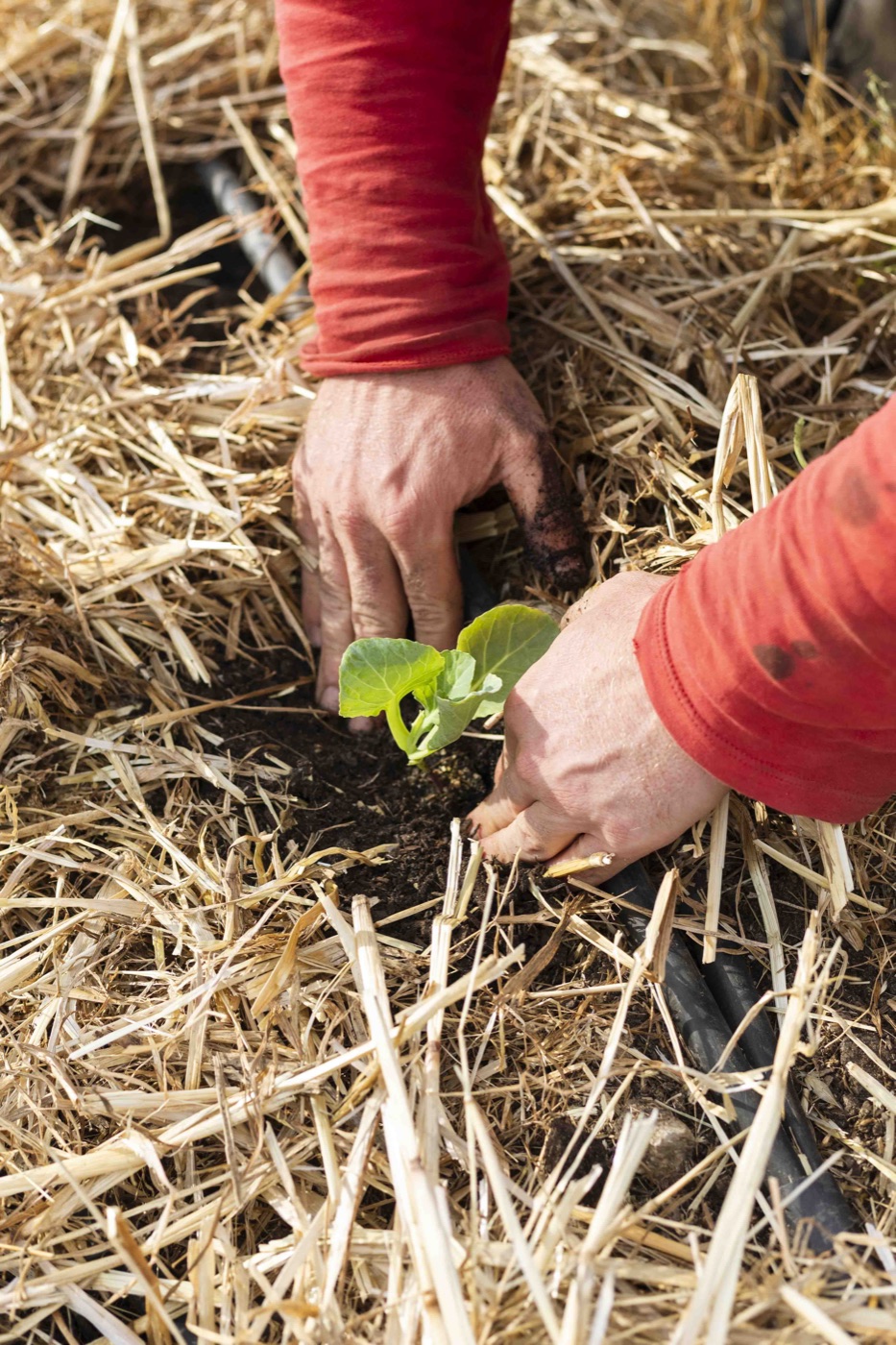
Regenerative Principles
Seven core principles that all OASA projects must uphold: Soil, Water, Air, Waste, Rewilding and Biodiversity, Resources, and Community. These set minimum ecological and social standards ensuring every project actively heals and restores ecosystems.
What are Regenerative Principles?
Regenerative principles are foundational guidelines that ensure all OASA projects actively restore ecosystems rather than just maintain them. These principles set minimum ecological and social standards, ensuring that every project contributes to healing the land, water, air, and community.
Unlike sustainability, which aims to maintain current conditions, regeneration actively improves ecosystem health over time. These principles are enshrined in the OASA Constitution and must be upheld by all projects.
The Seven Regenerative Principles
1. Soil
Projects must actively improve soil health through practices like regenerative agriculture, agroforestry, composting, and minimal tillage. Soil health is measured by organic matter content, microbial diversity, and water retention capacity. See regenerative principles soil water air for detailed practices.
2. Water
Projects must improve water systems through water retention landscapes, rainwater harvesting, and watershed restoration. The goal is to slow, spread, and sink water into the ground, recharging aquifers and restoring the hydrological cycle.
3. Air
Projects must improve air quality through tree planting, reducing emissions, and supporting natural air filtration. This includes carbon sequestration through agroforestry and rewilding.
4. Waste
Projects must eliminate waste through circular systems, composting, recycling, and designing out waste. The goal is zero waste to landfill, with all materials cycling back into productive use.
5. Rewilding and Biodiversity
Projects must dedicate at least 50% of land to rewilding and biodiversity conservation. This creates core wilderness areas that support keystone species and ecosystem function. See rewilding 50 percent land conservation.
6. Resources
Projects must use renewable resources and minimize extraction. This includes renewable energy, sustainable materials, and resource efficiency. The goal is to create systems that generate more resources than they consume.
7. Community
Projects must support strong, resilient communities through collective governance, mutual support, and shared values. Community well-being is as important as ecological health.
Regenerative Principles in Practice
At Traditional Dream Factory, these principles are demonstrated through:
- Soil: Agroforestry systems that build soil organic matter
- Water: 1.2 million liters of rainwater captured through water retention landscapes
- Air: Tree planting and carbon sequestration
- Waste: Composting and circular systems
- Biodiversity: 50% of land dedicated to rewilding
- Resources: Renewable energy and sustainable materials
- Community: DAO governance and collective decision-making
Regenerative Principles vs. Sustainability
Sustainability aims to maintain current conditions without degradation. Regenerative principles go further by actively improving ecosystem health:
- Sustainability: Maintain current state
- Regeneration: Actively improve and restore
- Sustainability: Minimize harm
- Regeneration: Create positive impact
- Sustainability: Reduce footprint
- Regeneration: Increase ecosystem function
Enforcement of Regenerative Principles
All OASA projects must demonstrate compliance with these principles. The OASA Constitution provides mechanisms for monitoring and enforcement, including the General Meeting's authority to revoke projects that violate these principles.
Learn More
Read the OASA Constitution for the complete framework of regenerative principles.
See also: Regenerative Principles Soil Water Air, Rewilding, Water Retention Landscapes
Related Terms
- Biodiversity - The foundation of ecosystem health that regenerative principles protect
- Causes and Threats of Biodiversity Collapse - The crisis regenerative principles address
- Regenerative Principles Soil Water Air - Detailed practices for soil, water, and air
- Rewilding - Restoring natural processes
- Water Retention Landscapes - Water management practices
- Agroforestry - Regenerative agriculture systems
- Regenerative Agriculture Commons Model - Agriculture in commons