

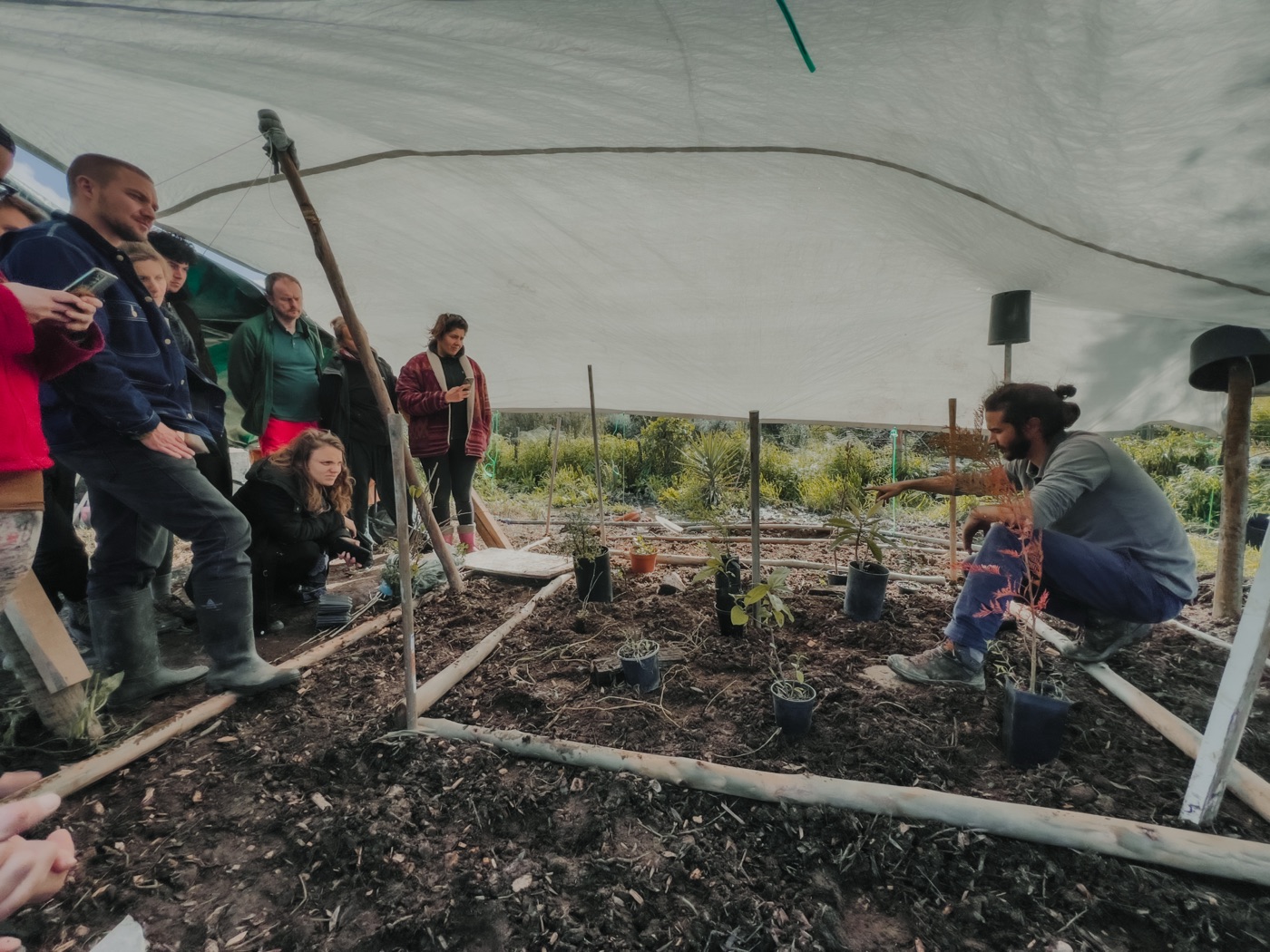
Regenerative Commons Examples
Real-world projects demonstrating regenerative commons economics, perpetual commons, and regenerative principles in practice, showing how land can be restored to commons while creating thriving communities.
What are Regenerative Commons Examples?
Regenerative commons examples are real-world projects that demonstrate regenerative commons economics in practice. These projects show how land can be held in perpetual commons, managed through community governance, and actively restored through regenerative practices.
OASA projects serve as examples of regenerative commons, demonstrating the model at scale and providing templates for replication.
Traditional Dream Factory
Traditional Dream Factory is OASA's flagship regenerative commons project:
- Location: Alentejo, Portugal
- Size: 25 hectares
- Land Tenure: Held in perpetual commons
- Governance: DAO governance with token-based participation
- Practices: All seven regenerative principles in practice
Key Achievements
- 1.2 million liters of rainwater captured through water retention landscapes
- Agroforestry systems building soil organic matter
- 50% of land dedicated to rewilding
- Thriving community with coliving and remote work infrastructure
- Demonstration of regenerative commons economics at scale
Characteristics of Regenerative Commons Examples
Perpetual Commons
All examples feature land held in perpetual commons:
- Land placed in perpetual land trust
- Legal structures preventing sale or privatization
- Permanent protection for future generations
- Demonstration of land as commons not commodities
Regenerative Practices
All examples follow regenerative principles:
- Building soil health through agroforestry and organic practices
- Improving water systems through water retention landscapes
- Supporting biodiversity through rewilding
- Eliminating waste through composting and circular systems
- Using renewable resources
- Building strong communities
Community Governance
All examples use community governance:
- DAO governance with transparent decision-making
- Token-based participation through tokenized access rights
- Decisions aligned with regenerative principles
- Community autonomy within ecological boundaries
Types of Regenerative Commons Examples
Regenerative Villages
Full-scale regenerative villages combining:
- Housing and infrastructure
- Regenerative agriculture and food production
- Community spaces and governance
- Integration with regenerative practices
Regenerative Farms
Agricultural projects focused on:
- Regenerative agriculture and agroforestry
- Soil building and water retention
- Biodiversity support
- Community food production
Regenerative Conservation Projects
Projects focused on:
- Rewilding and biodiversity restoration
- Ecosystem restoration
- Support for keystone species
- Long-term conservation
Lessons from Regenerative Commons Examples
Regenerative Principles Work
Examples demonstrate that all seven regenerative principles can be implemented together, creating positive feedback loops that improve ecosystems over time.
Community is Essential
Strong communities with shared values and effective governance are essential for long-term stewardship.
Governance Matters
Transparent, participatory governance builds trust, enables participation, and ensures decisions align with regenerative principles.
Long-Term Thinking
Intergenerational thinking creates lasting value and ensures projects benefit future generations.
Scalability
The model can be replicated across bioregions, creating networks of regenerative commons that restore ecosystems at scale.
Future Regenerative Commons Examples
OASA's vision includes:
- 100,000 hectares stewarded as living commons
- Network of projects across bioregions
- Demonstration of regenerative civilization
- Models for replication globally
How to Learn from Examples
To learn from regenerative commons examples:
- Visit projects like Traditional Dream Factory
- Study the process of creating regenerative commons
- Read the OASA Constitution for the framework
- Connect with communities practicing regeneration
Learn More
Visit Traditional Dream Factory to see regenerative commons in practice.
See also: Traditional Dream Factory Case Study, Regenerative Commons Economics, How to Create Regenerative Commons
Related Terms
- Traditional Dream Factory Case Study - Detailed example
- Regenerative Commons Economics - Economic model
- How to Create Regenerative Commons - Step-by-step guide
- Regenerative Principles - Practices demonstrated