

Regenerative Commons Economics
An economic framework where land held in common generates enduring prosperity through regenerative stewardship, creating returns in ecosystem health rather than extraction.
What is Regenerative Commons Economics?
Regenerative commons economics is an economic framework where land and natural resources are held in common rather than owned privately. Unlike traditional commodity-based economics, this model treats land as a perpetual commons—a shared resource that generates value through regenerative stewardship rather than extraction or speculation.
In a regenerative commons economy, returns are measured not in financial dividends but in ecosystem health: improved soil fertility, increased water retention, enhanced biodiversity, and stronger community bonds. These returns compound over time, creating a 1000-year investment horizon that aligns capital with living systems.
The Nature-Backed Economy
Central to regenerative commons economics is the concept of a nature-backed economy. Rather than backing currency or tokens with gold or fiat, a nature-backed economy derives value directly from ecosystem health. This creates alignment between economic incentives and ecological restoration.
Through tokenized access rights, communities can finance regenerative infrastructure while ensuring land remains in trust. These tokens represent use rights and governance participation, not ownership, creating a new form of value exchange that supports rather than exploits natural systems.
How Regenerative Commons Economics Works
The model operates through several key mechanisms:
- Perpetual Land Trust: Land is held in a perpetual land trust, legally preventing sale or extraction. This ensures the land remains in common for future generations.
- Commons-Based Stewardship: Communities practice commons-based land stewardship, managing resources collectively for long-term ecological and social benefit.
- Regenerative Practices: All activities follow regenerative principles that actively restore ecosystems rather than deplete them.
- Tokenized Access Rights: Use rights are tokenized, enabling financing while maintaining the commons structure.
- DAO Governance: Decisions are made collectively through DAO governance structures.
Regenerative Commons vs. Traditional Economics
Traditional economics treats land as a commodity—something to be bought, sold, and extracted from for maximum short-term profit. This creates incentives for deforestation, soil depletion, water pollution, and community displacement.
Regenerative commons economics flips this model. By removing land from the market and holding it in common, we eliminate speculative pressure and extraction incentives. Instead, the system rewards long-term stewardship, creating value that increases with time rather than depletes.
Real-World Example: Traditional Dream Factory
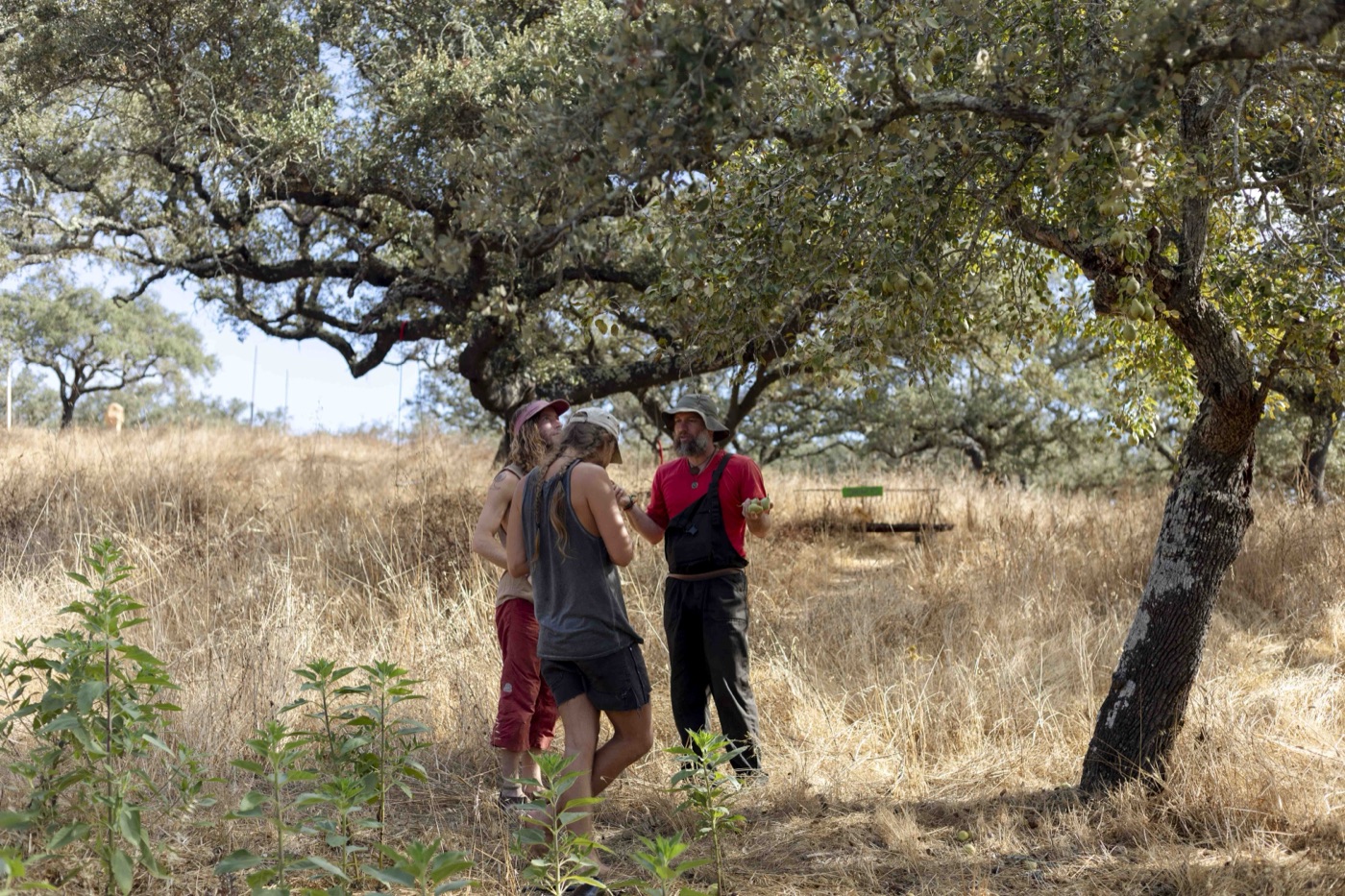
Traditional Dream Factory in Portugal demonstrates regenerative commons economics in practice. Through tokenized access rights, the community has financed regenerative infrastructure while keeping 25 hectares of land in perpetual trust. The project has captured 1.2 million liters of rainwater, restored biodiversity, and created a thriving community—all while the land remains protected from sale or extraction.
The Future of Regenerative Commons Economics
As climate change and resource depletion accelerate, regenerative commons economics offers a viable alternative. By aligning economic incentives with ecological restoration, we can create systems that generate prosperity while healing the planet.
This model is scalable and replicable. From small community projects to large-scale conservation areas, regenerative commons economics provides a framework for transitioning from extractive ownership to stewardship-based prosperity.
Learn More
Explore our research paper "Rethinking Wealth: Economics of a Regenerative Commons" for a deep dive into this economic model, including detailed case studies and financial mechanisms.
See also: Nature-Backed Economy, Perpetual Commons, Tokenized Access Rights
Related Terms
- Nature-Backed Economy - Economic model backed by ecosystem health
- Perpetual Commons - Land held in trust forever
- Tokenized Access Rights - Blockchain-based use rights
- DAO Governance - Collective decision-making
- Bonding Curve - Token pricing mechanism
- Exit to Commons - Debt retirement strategy