

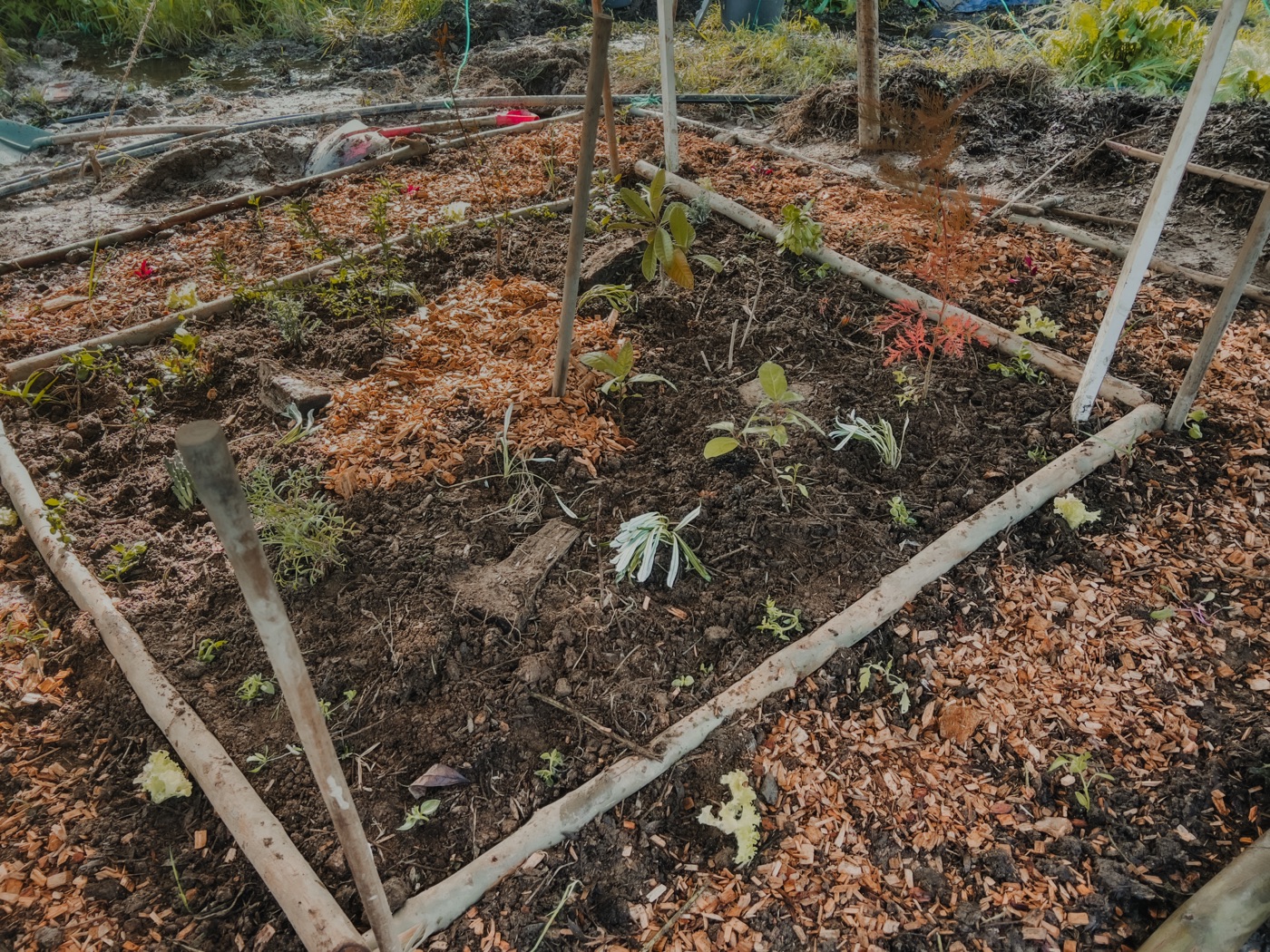
Regenerative Agriculture Commons Model
Farming practices that build soil health, support biodiversity, and produce food within regenerative commons, where land is held in perpetual trust and agriculture actively improves ecosystems over time.
What is Regenerative Agriculture in Commons?
Regenerative agriculture commons model combines regenerative agriculture practices with commons-based land tenure. Land is held in perpetual commons through perpetual land trust, ensuring it can never be sold, while agricultural practices actively improve soil, water, air, and biodiversity.
This model demonstrates how agriculture can be a force for ecological restoration rather than degradation, producing food while building ecosystem health.
Core Principles of Regenerative Agriculture
Soil Building
Practices that build soil organic matter and support diverse microbial communities:
- No-till or minimal tillage
- Cover crops and green manures
- Composting and organic amendments
- Diverse crop rotations
- Integration of trees and crops (agroforestry)
Water Management
Practices that improve water retention and quality:
- Water retention landscapes that slow, spread, and sink water
- Rainwater harvesting and storage
- Watershed restoration
- Aquifer recharge through infiltration
Biodiversity Support
Practices that support diverse flora and fauna:
- Native species integration
- Polyculture and diverse plantings
- Habitat creation for wildlife
- Integration with rewilding areas
Agroforestry in Commons
Agroforestry is central to regenerative agriculture commons model:
- Food Forests: Multi-layered systems producing food while building soil
- Silvopasture: Integrating trees with grazing animals
- Alley Cropping: Rows of trees with annual crops between
- Windbreaks: Trees protecting crops and improving microclimate
Agroforestry systems produce food while sequestering carbon, building soil, supporting biodiversity, and improving water retention.
Commons-Based Agriculture
In regenerative commons, agriculture operates differently:
- Land in Trust: Held in perpetual commons, never sold
- Collective Stewardship: Commons-based land stewardship where communities care for land together
- Regenerative Practices: Following regenerative principles for soil, water, and air
- Long-Term Thinking: 1000-year investment horizons that consider future generations
- Community Governance: Collective decision-making about agricultural practices
Regenerative Agriculture Practices
No-Till Farming
Minimizing soil disturbance to preserve soil structure, microbial communities, and organic matter. This builds soil health over time while reducing erosion.
Cover Crops
Planting cover crops between main crops to protect soil, build organic matter, fix nitrogen, and support biodiversity. Cover crops are often turned into the soil as green manure.
Composting
Converting organic waste into compost that builds soil organic matter and supports microbial life. This creates a closed-loop system where waste becomes a resource.
Diverse Rotations
Rotating crops to break pest cycles, build soil fertility, and support biodiversity. Diverse rotations improve ecosystem health while maintaining productivity.
Integration with Regenerative Principles
Regenerative agriculture commons model integrates with all seven regenerative principles:
- Soil: Building soil organic matter and microbial diversity
- Water: Improving water retention and quality
- Air: Sequestering carbon and improving air quality
- Waste: Eliminating waste through composting and circular systems
- Biodiversity: Supporting diverse flora and fauna
- Resources: Using renewable resources and minimizing extraction
- Community: Supporting strong, resilient communities
Regenerative Agriculture in Practice
At Traditional Dream Factory, regenerative agriculture commons model is demonstrated through:
- Agroforestry Systems: Food forests and tree-crop integration
- Soil Building: Composting, cover crops, and minimal tillage
- Water Management: Water retention landscapes capturing 1.2 million liters
- Biodiversity: Diverse plantings supporting native species
- Commons Governance: Community decision-making about agricultural practices
Benefits of Regenerative Agriculture Commons
- Ecological Restoration: Agriculture actively improves ecosystems
- Food Production: Produces food while building soil and supporting biodiversity
- Climate Resilience: Builds resilience to climate change through healthy soils and water systems
- Community Resilience: Creates food security and community connection
- Long-Term Productivity: Soils improve over time, increasing productivity
Learn More
Read the OASA Constitution for the complete framework of regenerative principles.
See also: Agroforestry, Regenerative Principles Soil Water Air, Water Retention Landscapes
Related Terms
- Agroforestry - Tree-crop integration systems
- Regenerative Principles Soil Water Air - Core practices
- Water Retention Landscapes - Water management practices
- Regenerative Commons Economics - Economic framework