
Perpetual Land Trust Model
A legal structure that holds land in trust forever, ensuring it can never be sold, privatized, or exploited for private gain. The land remains in perpetual commons for future generations.
What is a Perpetual Land Trust?
A perpetual land trust is a legal entity (typically a nonprofit organization or Special Purpose Vehicle) that acquires and holds land in trust with the explicit purpose of keeping it in perpetual commons forever. Unlike traditional land ownership, where land can be bought and sold, land in a perpetual trust is legally protected from sale or extraction.
In OASA's model, the land trust structure ensures that no individual holds title or equity in the land. The land is "locked" in trust for future generations, with legal guardrails ensuring that even if the organization dissolves, any proceeds must go to similar regenerative causes. See OASA Constitution for the full legal framework.
How Perpetual Land Trusts Work
Legal Structure
OASA projects use a two-tier legal structure:
- Swiss Association: The parent organization (OASA) that sets standards and governance
- Local SPV (Special Purpose Vehicle): A local legal entity in the project's country that holds the land title
The SPV is controlled by the association and cannot sell the land. This dual structure provides both international governance standards and local legal compliance.
Protection Mechanisms
Several mechanisms protect the land in perpetuity:
- No Individual Ownership: No person holds title or equity in the land
- Dissolution Clauses: If the organization dissolves, proceeds must go to similar regenerative causes
- Governance Oversight: DAO governance ensures community control while maintaining legal protection
- Constitutional Requirements: The OASA Constitution mandates that all projects use this structure
Perpetual Land Trust vs. Other Models
vs. Community Land Trusts (CLTs)
Traditional CLTs focus on affordable housing and may allow some land sales. OASA's perpetual trust model is more restrictive—land can never be sold, and the focus is on ecological regeneration rather than just affordability.
vs. Conservation Easements
Conservation easements protect land from development but don't necessarily enable active community use or regeneration. OASA's model combines protection with active stewardship and community participation.
vs. Traditional Ownership
Traditional ownership allows land to be bought, sold, and extracted from. Perpetual trusts remove land from the market entirely, creating a regenerative commons economics where value comes from stewardship, not speculation.
Benefits of Perpetual Land Trusts
- Permanent Protection: Land is protected from sale or extraction forever
- Intergenerational Equity: Future generations inherit healthy, restored land
- Stewardship Incentives: Value comes from improving the land, not extracting from it
- Community Control: Through tokenized access rights, communities control use while land remains protected
- Legal Certainty: Clear legal structure prevents future privatization attempts
Real-World Example: Traditional Dream Factory
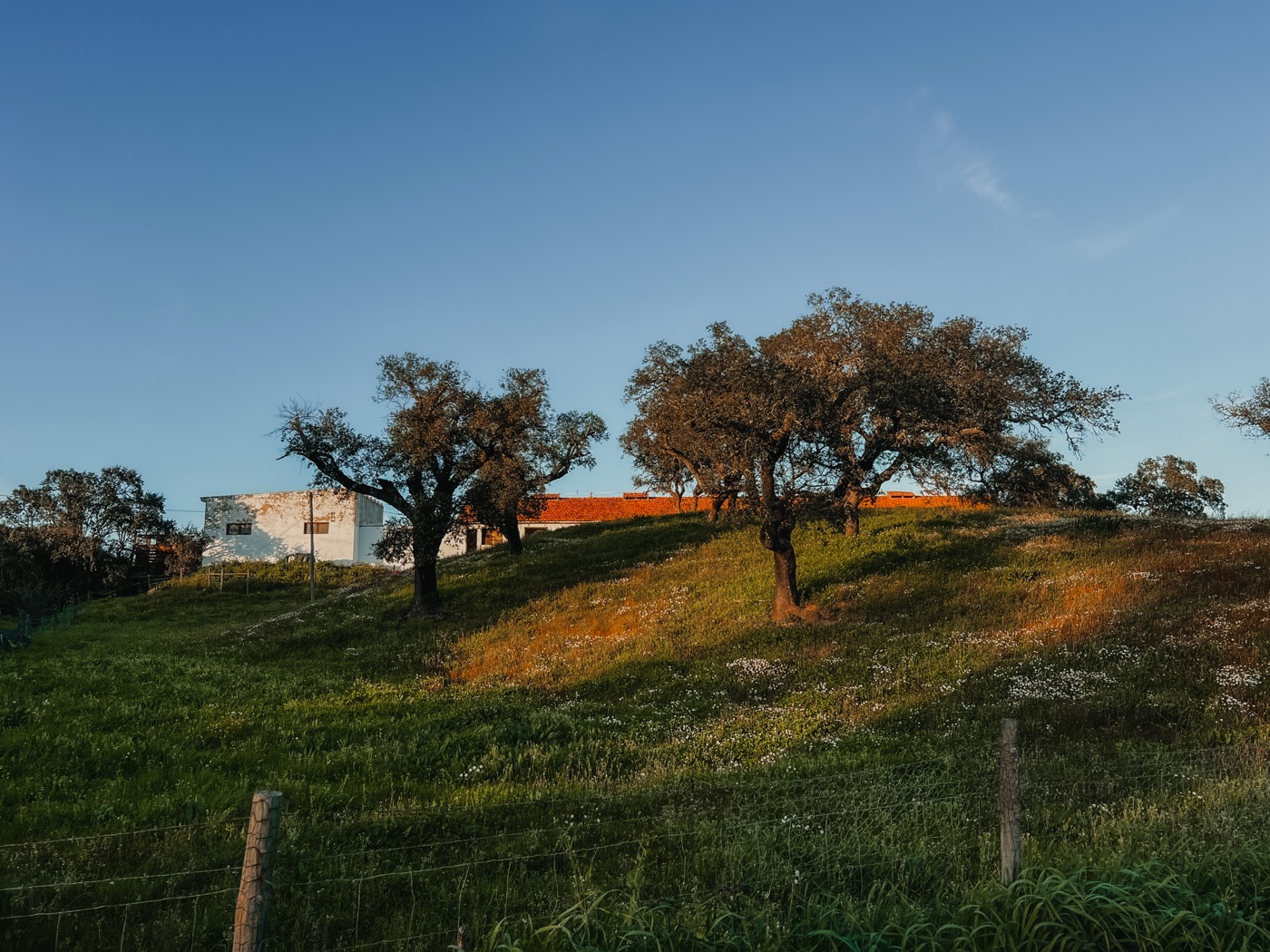
At Traditional Dream Factory, 25 hectares of land are held in a perpetual trust structure. The land cannot be sold, and all improvements (buildings, infrastructure, regenerated ecosystems) remain tied to the land's ecological and social utility. This creates a nature-backed economy where returns are measured in ecosystem health.
Learn More
Read the OASA Constitution for the complete legal framework and governance structure.
See also: Perpetual Commons, Land as Commons Not Commodities, Regenerative Commons Economics
Related Terms
- Perpetual Commons - Land held in trust forever
- Land as Commons Not Commodities - Philosophy of decommodifying land
- Regenerative Commons Economics - Economic model for commons
- DAO Governance - Community decision-making
- Tokenized Access Rights - Use rights without ownership