
Land as Commons Not Commodities
The fundamental shift from treating land as private property to be bought and sold, to treating it as a perpetual commons held in trust for future generations.
What Does "Land as Commons Not Commodities" Mean?
"Land as commons not commodities" represents a fundamental reimagining of land ownership. Rather than treating land as a commodity—something to be bought, sold, and extracted from for profit—this philosophy treats land as a perpetual commons: a shared resource that belongs to the community and future generations.
This shift moves us from ownership to stewardship, where the land is cared for with long-term responsibility rather than exploited for short-term gain. See From Commons to Commodities and Back for the full manifesto.
The Problem with Land as Commodity
When land is treated as a commodity, it creates several problems:
- Speculation: Land becomes an investment vehicle, driving up prices and making it unaffordable for communities
- Extraction: Owners are incentivized to extract maximum value, leading to deforestation, soil depletion, and ecosystem degradation
- Displacement: Communities are pushed out as land values rise
- Short-term thinking: Decisions prioritize immediate profit over long-term ecological and social health
The Commons Alternative
By treating land as commons, we:
- Remove from market: Land cannot be bought or sold, eliminating speculative pressure
- Create stewardship incentives: Value comes from improving the land, not extracting from it
- Ensure permanence: Land remains protected for future generations through perpetual trust structures
- Align with regeneration: The system rewards practices that heal ecosystems rather than deplete them
Land Stewardship vs. Land Ownership
Traditional ownership implies the right to do whatever you want with the land, including selling it or extracting value from it. Land stewardship implies responsibility: caring for the land with the understanding that it belongs to future generations as well.
In OASA's model, no individual holds title or equity. The land is held in a perpetual land trust, ensuring it can never be sold or exploited for private gain. Members have use rights and governance participation through tokenized access rights, but not ownership.
How OASA Decommodifies Land
OASA legally restructures land ownership through several mechanisms:
- Perpetual Trust: Land is placed in a nonprofit entity or SPV that holds it in trust forever
- Legal Guardrails: Any proceeds from dissolution must go to similar regenerative causes
- No Equity: No individual holds title or equity in the land
- Use Rights Only: Members receive use rights through tokens, not ownership claims
Real-World Example
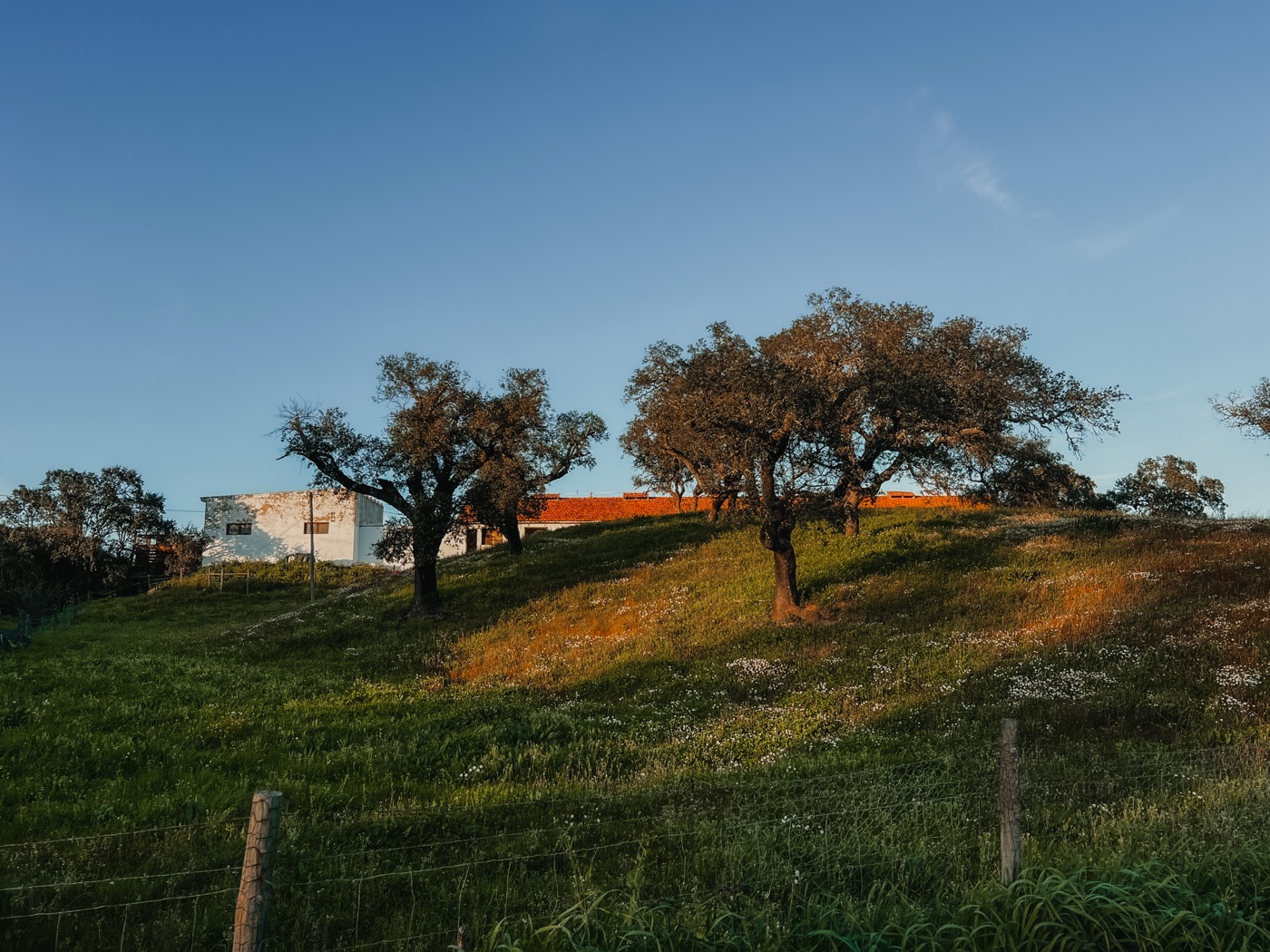
At Traditional Dream Factory, 25 hectares of land are held in perpetual trust. The land cannot be sold, and all value generated stays tied to the land's ecological and social utility. This creates a nature-backed economy where returns are measured in ecosystem health, not financial dividends.
Learn More
Read our manifesto "From Commons to Commodities and Back" for a deep exploration of this philosophy and its implications.
See also: Perpetual Commons, Commons-Based Land Stewardship, Regenerative Commons Economics
Related Terms
- Perpetual Commons - Land held in trust forever
- Perpetual Land Trust Model - Legal structure for commons
- Commons-Based Land Stewardship - Collective land management
- Regenerative Commons Economics - Economic model for commons
- Nature-Backed Economy - Economy backed by ecosystem health