

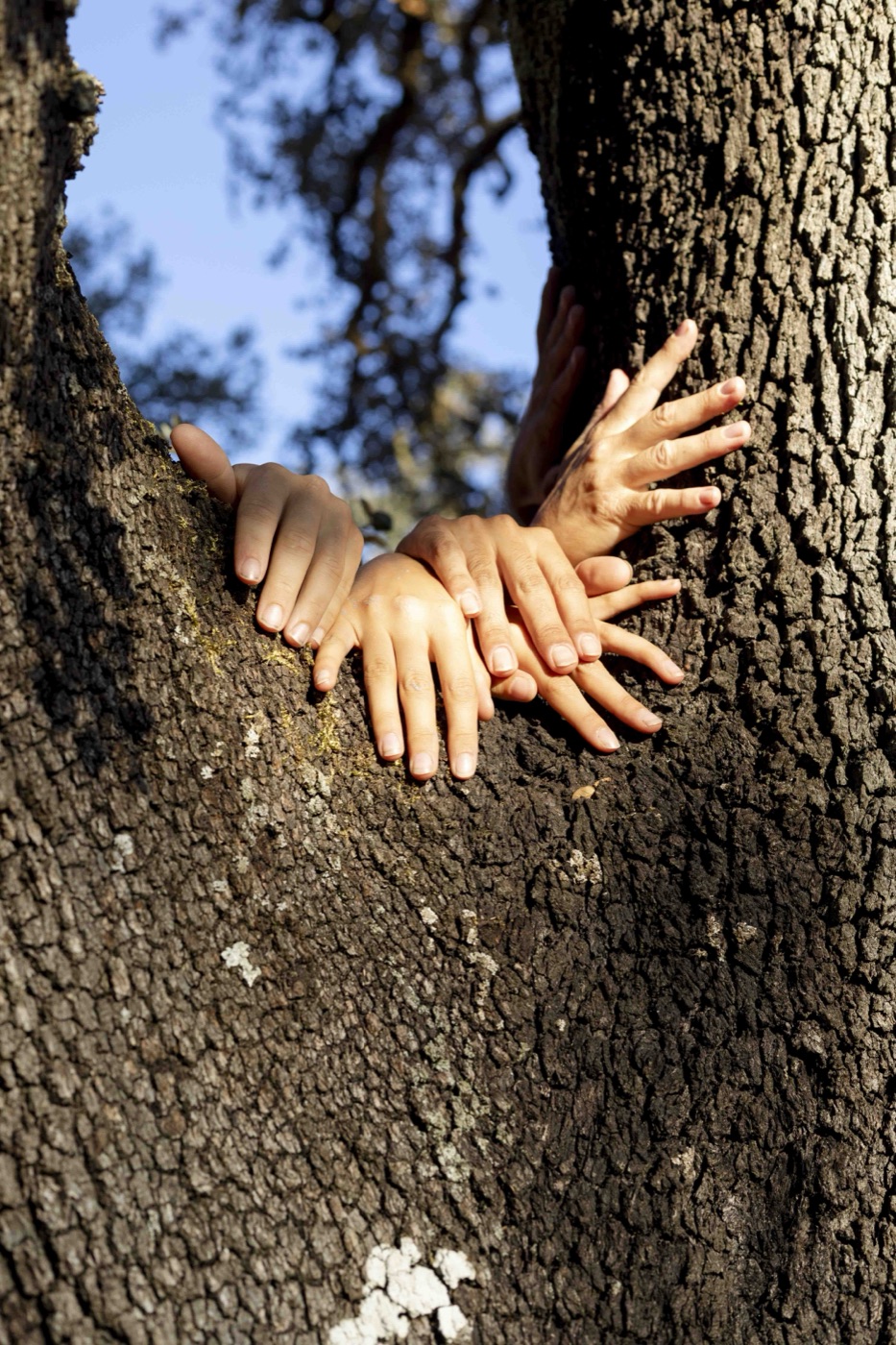
Humans as Keystone Species
The philosophy that humans can become keystone species through regenerative practices, creating conditions for many other species to thrive and increasing overall biodiversity and ecosystem function.
What Does "Humans as Keystone Species" Mean?
A keystone species is a species that creates conditions for many others to thrive. Like beavers building wetlands or wolves controlling elk populations, keystone species have a disproportionately large effect on ecosystem structure and function.
OASA's philosophy holds that humans can become keystone species through regenerative practices that increase biodiversity and ecosystem function. Rather than being destructive, humans can create conditions where many other species thrive.
How Humans Can Become Keystone Species
Creating Diverse Habitats
Through agroforestry and rewilding, humans can create diverse habitats that support many species. Food forests, water retention systems, and native plantings create niches for diverse flora and fauna.
Improving Water Systems
Through water retention landscapes, humans can restore hydrological cycles, creating wetlands, ponds, and water systems that support aquatic and terrestrial species.
Restoring Soil Health
Through regenerative agriculture and soil building practices, humans can restore soil health, supporting diverse microbial communities and plant life that form the foundation of ecosystems.
Supporting Biodiversity
Through land conservation and native species restoration, humans can support biodiversity recovery, allowing keystone species to return and ecosystem function to restore.
Regenerative Role of Humans
The regenerative role of humans involves:
- Ecosystem Engineering: Creating structures and systems that support biodiversity
- Species Support: Planting native species and supporting wildlife
- Process Restoration: Restoring natural processes like water cycles and fire regimes
- Habitat Creation: Designing landscapes that support diverse species
- Long-Term Stewardship: Maintaining and improving ecosystems over generations
Humans as Keystone Species in Regeneration
In regenerative commons, humans play a keystone role by:
- Creating conditions for native keystone species to return
- Building infrastructure that supports ecosystem function
- Practicing regenerative principles that increase biodiversity
- Maintaining long-term stewardship of land
- Supporting ecosystem recovery and restoration
Examples of Humans as Keystone Species
Traditional Dream Factory
At Traditional Dream Factory, humans are creating conditions for biodiversity through:
- Water retention landscapes that create wetlands and support aquatic life
- Agroforestry systems that create diverse habitats
- Rewilding 50% of land, allowing native species to return
- Soil building practices that support diverse microbial communities
Ecological Restoration Through Human Action
Humans can actively restore ecosystems through:
- Restoration Projects: Actively restoring degraded ecosystems
- Native Species Planting: Reintroducing native flora and fauna
- Process Restoration: Restoring natural processes like fire and water cycles
- Habitat Connectivity: Creating corridors that connect fragmented ecosystems
- Long-Term Protection: Ensuring restored ecosystems remain protected
OASA's Vision: Humans as Regenerative Keystone Species
OASA's vision is to demonstrate how humans can become keystone species at scale, creating a network of regenerative projects where human action increases biodiversity and ecosystem function. Through regenerative commons and commons-based stewardship, humans can steward 100,000 hectares as living commons, creating conditions for countless species to thrive.
Learn More
Explore how humans can become keystone species through regenerative practices.
See also: Keystone Species, Rewilding, Regenerative Principles
Related Terms
- Biodiversity - The variety of life that humans as keystone species can protect and enhance
- Sixth Mass Extinction - The crisis humanity must address by becoming a regenerative force
- Keystone Species - Species that support ecosystems
- Rewilding - Restoring natural processes
- Regenerative Principles - Practices that support keystone role
- Commons-Based Land Stewardship - Long-term land care