

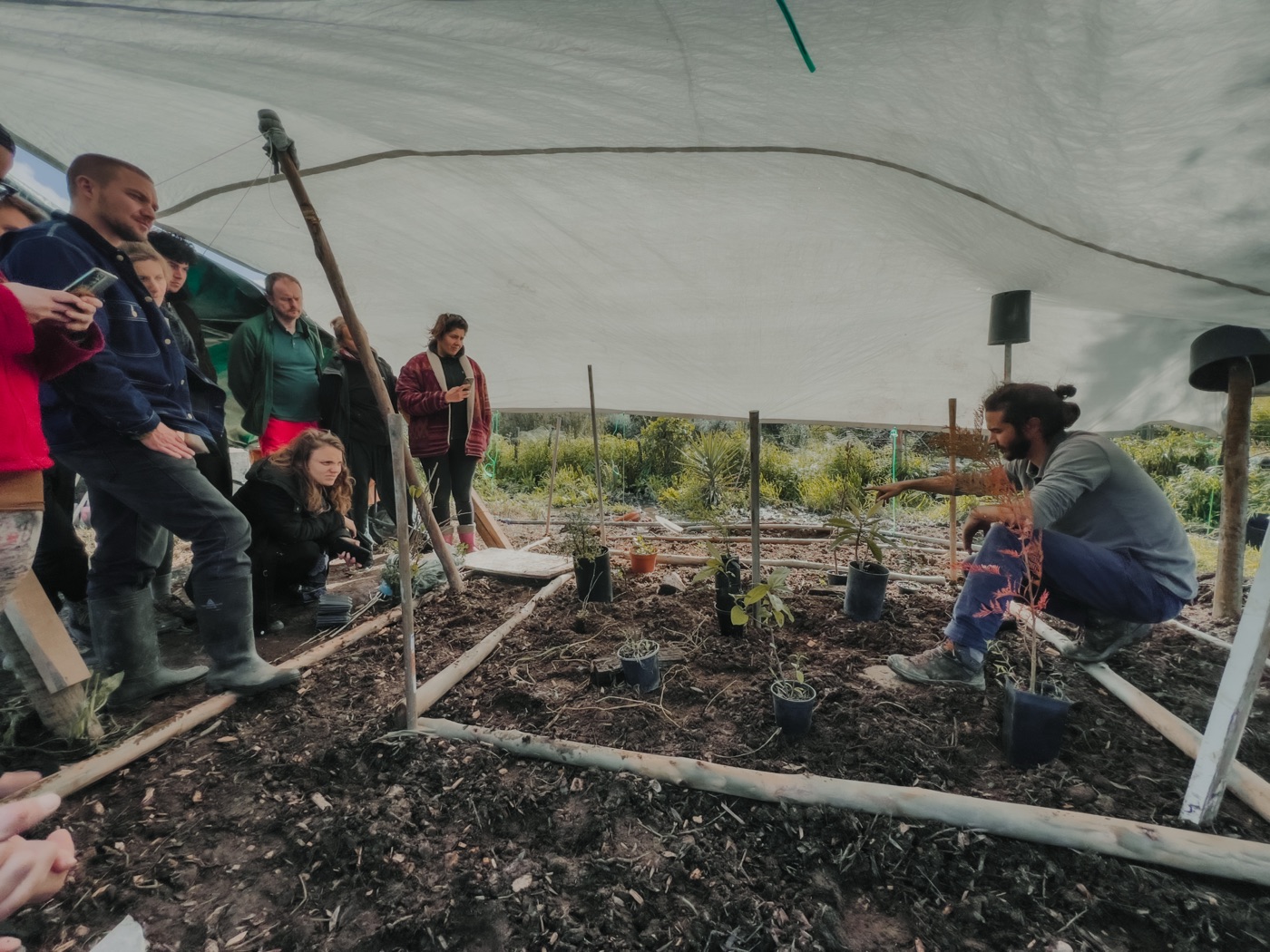
How to Create Regenerative Commons
A step-by-step guide to establishing regenerative commons projects, from land acquisition and legal structure to governance setup and regenerative practices, following OASA's model.
Overview: Creating Regenerative Commons
Creating regenerative commons involves establishing legal structures, acquiring land, setting up governance, and implementing regenerative practices. This guide outlines the key steps based on OASA's model.
Step 1: Form a Core Team
Begin by forming a core team committed to the project:
- People aligned with regenerative principles
- Diverse skills (legal, financial, ecological, community)
- Long-term commitment
- Shared vision for regenerative commons
Step 2: Establish Legal Structure
Nonprofit Entity
Create a nonprofit organization to hold land:
- Nonprofit association or foundation
- Mission aligned with regenerative principles
- Governance structure for community decision-making
- Compliance with local regulations
Perpetual Land Trust
Establish perpetual land trust structure:
- Special Purpose Vehicle (SPV) or trust to hold land
- Legal guardrails preventing sale or privatization
- Ensuring land remains in perpetual commons
- Protection for future generations
Step 3: Acquire Land
Land Selection
Choose land suitable for regeneration:
- Size appropriate for project goals
- Potential for ecological restoration
- Access to water resources
- Legal clarity and clean title
- Community support and local relationships
Financing Land Acquisition
Finance land acquisition through:
- Initial loans or investment
- Bonding curve financing through token sales
- Community contributions
- Grants or donations
Step 4: Place Land in Perpetual Commons
Transfer land to perpetual land trust:
- Transfer title to SPV or trust
- Establish legal protections preventing sale
- Ensure land remains in perpetual commons
- Create permanent protection
Step 5: Set Up Governance
DAO Governance Structure
Establish DAO governance:
- Token-based participation system
- Transparent decision-making processes
- Proposal and voting mechanisms
- Constitutional limits aligned with regenerative principles
Community Values and Principles
Establish community values:
- Shared principles and commitments
- Alignment with regenerative principles
- Conflict resolution processes
- New member integration
Step 6: Implement Regenerative Practices
Regenerative Principles
Begin implementing seven regenerative principles:
- Soil: Build soil health through agroforestry and organic practices
- Water: Create water retention landscapes
- Air: Plant trees and sequester carbon
- Waste: Eliminate waste through composting and circular systems
- Biodiversity: Dedicate 50% to rewilding
- Resources: Use renewable resources
- Community: Build strong, resilient communities
Step 7: Set Up Token System
Tokenized Access Rights
Create tokenized access rights:
- Design token model representing access
- Set capacity limits based on physical capacity
- Create bonding curve for price discovery
- Implement smart contracts for sales
Bonding Curve Financing
Set up bonding curve financing:
- Deploy commons market maker smart contract
- Enable continuous token sales
- Allocate proceeds to debt retirement and infrastructure
- Create transparency in sales and pricing
Step 8: Build Infrastructure
Develop necessary infrastructure:
- Water systems and water retention landscapes
- Housing and common spaces
- Energy systems (renewable)
- Internet and communication infrastructure
- Agricultural infrastructure for regenerative agriculture
Step 9: Build Community
Develop strong community:
- Recruit members aligned with community values
- Create shared spaces and activities
- Establish mutual support networks
- Support participatory governance
Step 10: Monitor and Improve
Continuously monitor and improve:
- Track ecosystem health through biodiversity monitoring
- Measure progress on regenerative principles
- Adjust practices based on outcomes
- Support debt retirement through token sales
Key Considerations
Legal Compliance
Ensure compliance with:
- Local land use regulations
- Nonprofit regulations
- Token and securities laws
- Environmental regulations
Financial Sustainability
Plan for financial sustainability:
- Revenue from token sales
- Community contributions
- Grants and donations
- Long-term debt retirement strategy
Community Resilience
Build resilient communities:
- Strong community values
- Effective governance processes
- Mutual support networks
- Long-term commitment
OASA Support
OASA provides support for creating regenerative commons:
- Constitutional framework through OASA Constitution
- Technical guidance on regenerative practices
- Governance templates and tools
- Network of regenerative commons projects
Learn More
Read the OASA Constitution for the complete framework for creating regenerative commons.
See also: Regenerative Commons Economics, Perpetual Land Trust Model, DAO Governance
Related Terms
- Regenerative Commons Economics - Economic framework
- Perpetual Land Trust Model - Legal structure
- DAO Governance - Governance setup
- Regenerative Principles - Practices to implement