

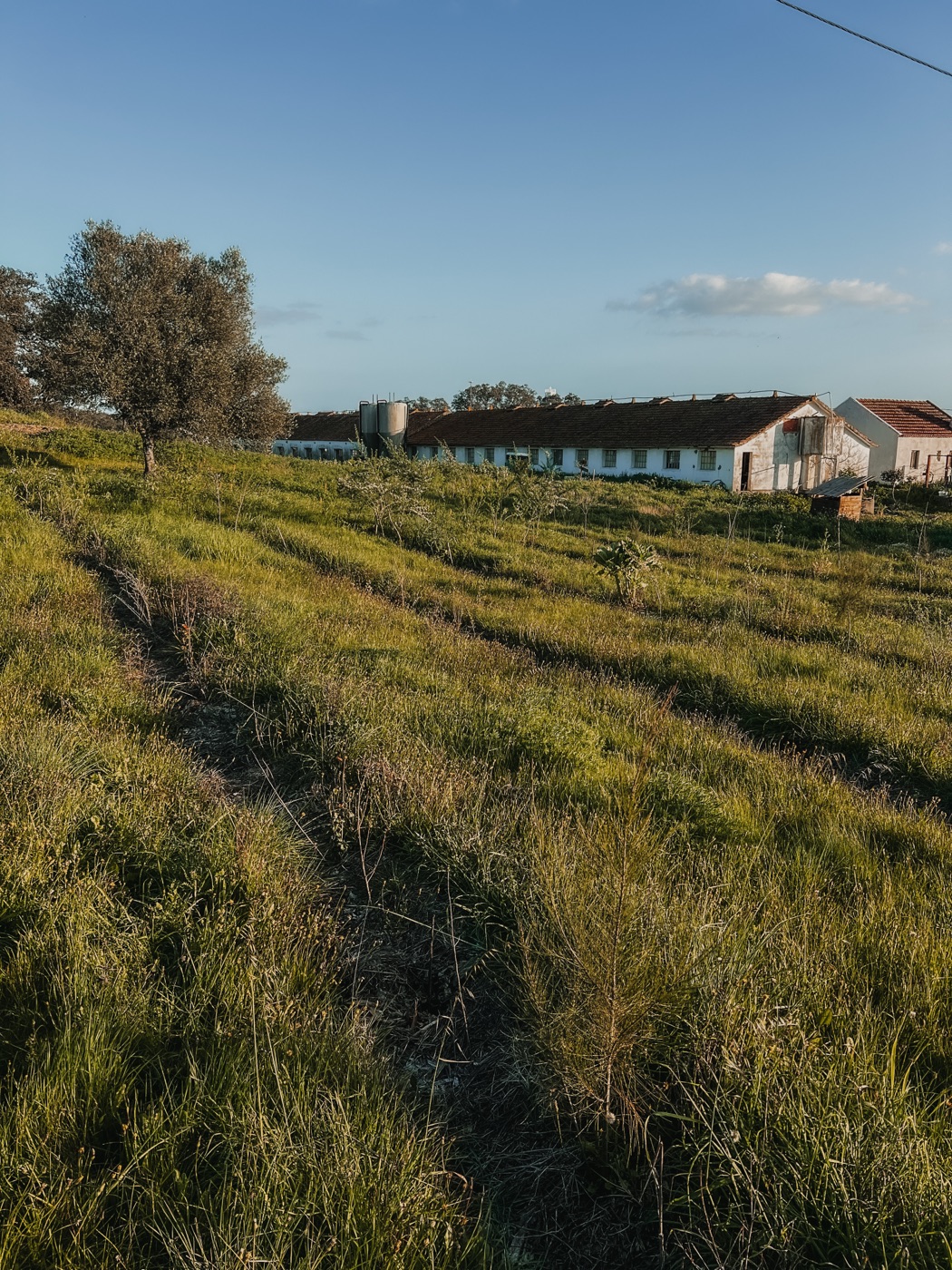
Ecovillage
An intentional community designed for sustainable living, combining ecological design, renewable energy, and community governance to create self-sufficient, regenerative settlements.
What is an Ecovillage?
An ecovillage is an intentional, traditional or urban community that is consciously designed through locally owned, participatory processes to regenerate social and natural environments. Ecovillages integrate various aspects of ecological design, permaculture, ecological building, alternative energy, community building practices, and local food systems.
Unlike conventional villages or developments, ecovillages are explicitly designed to minimize ecological impact while maximizing social connection and quality of life. They demonstrate that humans can live in harmony with nature while creating thriving, resilient communities.
Key Characteristics of Ecovillages
Ecological Design
Ecovillages use regenerative principles to design systems that actively restore ecosystems. This includes water retention landscapes, agroforestry, renewable energy, and rewilding practices.
Community Governance
Ecovillages practice collective decision-making, often through DAO governance or consensus processes. Members participate in shaping the community's direction, ensuring that decisions align with ecological and social values.
Sustainable Living
Ecovillages integrate sustainable living practices into daily life, from food production to waste management. Many achieve self-sufficiency in energy, water, and food.
Regenerative Economics
Many ecovillages use alternative economic models, such as regenerative commons economics and nature-backed economies, where value is measured in ecosystem health rather than financial profit.
OASA's Ecovillage Model: Traditional Dream Factory
Traditional Dream Factory (TDF) in Portugal is OASA's first ecovillage prototype, demonstrating how regenerative commons economics can create thriving ecovillages. TDF features:
- 25 Hectares of Regeneration: 50% wild core, 45% productive agroforestry, 5% infrastructure
- Water Management: 1.2 million liters of rainwater captured through water retention landscapes
- Community Governance: DAO governance with Proof of Presence
- Tokenized Access: Tokenized access rights enabling financing while maintaining perpetual commons
- Land in Trust: Held in perpetual land trust, ensuring it can never be sold
Ecovillage vs. Traditional Communities
Traditional communities often develop organically without explicit ecological or social design. Ecovillages are intentionally designed from the ground up to:
- Minimize ecological footprint
- Maximize social connection and mutual support
- Create resilient, self-sufficient systems
- Demonstrate regenerative practices
- Serve as models for sustainable development
Benefits of Ecovillages
- Ecological Restoration: Actively heal and restore ecosystems
- Community Resilience: Strong social networks and mutual support
- Quality of Life: Connection to nature, meaningful work, healthy living
- Education: Demonstrate sustainable practices to visitors and residents
- Scalability: Models that can be replicated and adapted
List of Ecovillages and Examples
Ecovillages exist worldwide, from rural intentional communities to urban cohousing projects. OASA's network aims to create a global network of regenerative ecovillages, starting with Traditional Dream Factory and expanding to steward 100,000 hectares as living commons.
Each OASA ecovillage follows the OASA Constitution, ensuring they uphold regenerative principles and maintain land in perpetual commons.
Learn More
Explore Traditional Dream Factory as a case study of OASA's ecovillage model in practice.
See also: Sustainable Community, Eco Community, Regenerative Commons Economics
Related Terms
- Sustainable Community - Communities designed for sustainability
- Eco Community - Ecological community living
- Sustainable Living - Sustainable lifestyle practices
- Regenerative Commons Economics - Economic model for ecovillages
- Perpetual Commons - Land held in trust forever
- Traditional Dream Factory Case Study - Real-world ecovillage example