

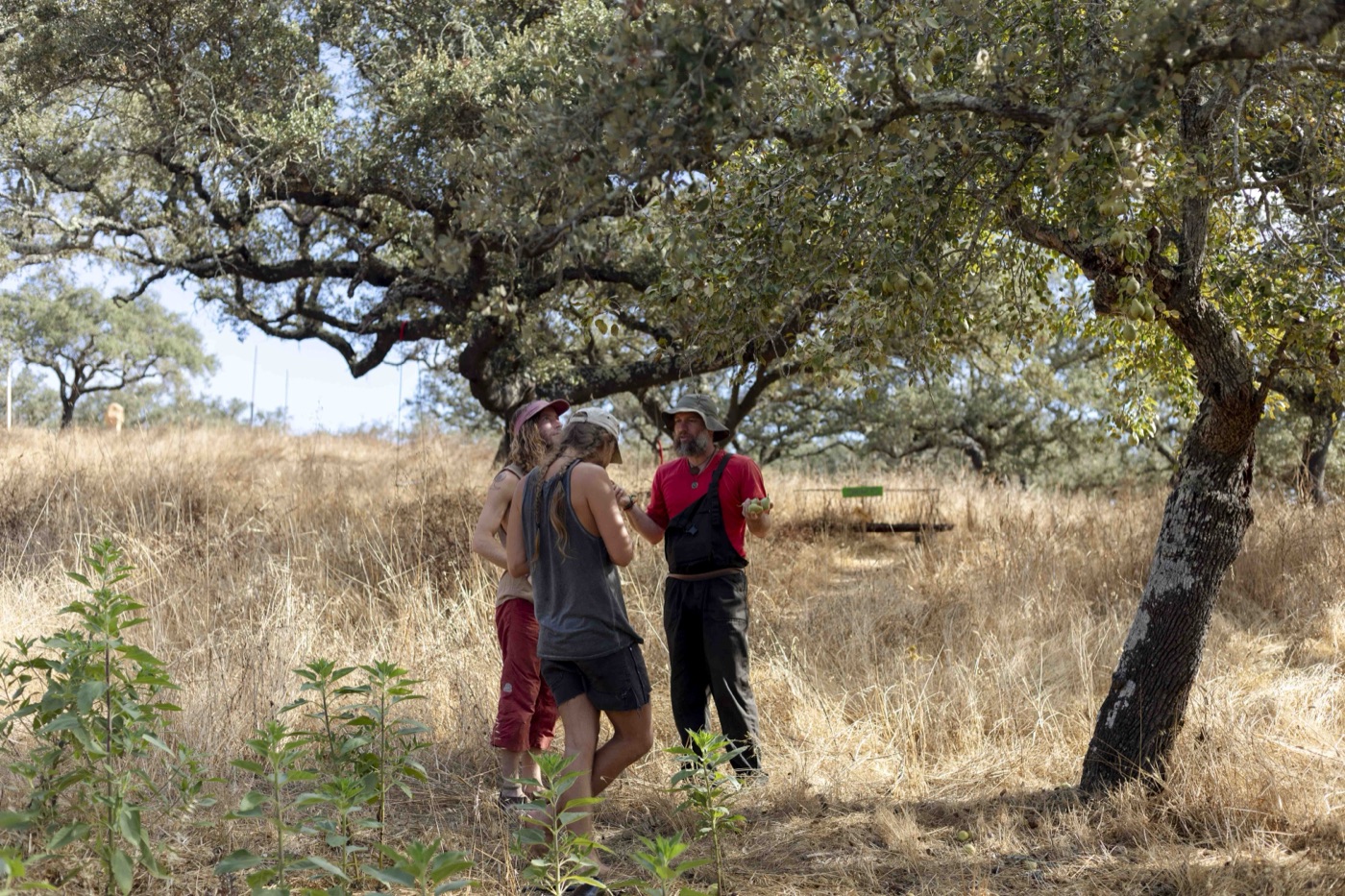
Commons-Based Land Stewardship
The practice of managing land collectively for long-term ecological and social benefit, moving from ownership to stewardship where communities care for land with intergenerational responsibility.
What is Commons-Based Land Stewardship?
Commons-based land stewardship is the practice of managing land collectively for the benefit of the community and future generations, rather than for individual profit. Unlike traditional land ownership, which treats land as a commodity, commons-based stewardship treats land as a shared resource that must be cared for with long-term responsibility.
At OASA, commons-based land stewardship is central to our model. Land is held in perpetual commons through perpetual land trust structures, ensuring it can never be sold or exploited for private gain. Communities practice stewardship through regenerative practices that actively restore ecosystems.
Land Stewardship vs. Land Ownership
Land stewardship differs fundamentally from land ownership:
- Ownership: Treats land as property to be bought, sold, and extracted from
- Stewardship: Treats land as a trust to be cared for and improved
- Ownership: Focuses on individual rights and profit
- Stewardship: Focuses on collective responsibility and regeneration
- Ownership: Short-term thinking and extraction
- Stewardship: Long-term thinking and restoration
Principles of Commons-Based Stewardship
Collective Management
Land is managed collectively through community governance, where decisions are made transparently and participatorily. This ensures that stewardship practices align with community values and ecological principles.
Regenerative Practices
Stewardship follows regenerative principles that actively restore ecosystems rather than just maintain them. This includes water retention landscapes, agroforestry, and rewilding practices.
Intergenerational Responsibility
Stewardship considers the impact of decisions on future generations. Practices are designed to improve land health over time, creating a 1000-year investment horizon that aligns with natural cycles.
Perpetual Protection
Land is held in perpetual commons, ensuring it can never be sold or privatized. This creates permanent protection for land and ecosystems.
Commons Stewardship in Practice
At Traditional Dream Factory, commons-based land stewardship is demonstrated through:
- Collective Governance: DAO governance with transparent, participatory decision-making
- Regenerative Practices: Following regenerative principles for soil, water, air, and biodiversity
- Land in Trust: Held in perpetual land trust, ensuring permanent protection
- Community Care: Members actively participate in land care and regeneration
- Long-Term Thinking: Decisions consider impacts on future generations
Benefits of Commons-Based Stewardship
- Ecological Restoration: Land actively improves over time through regenerative practices
- Community Resilience: Collective management creates stronger, more resilient communities
- Permanent Protection: Land can never be sold or exploited
- Intergenerational Equity: Future generations inherit healthier ecosystems
- Alignment: Practices align with ecological principles rather than profit motives
Regenerative Land Management
Commons-based land stewardship integrates regenerative land management practices:
- Soil Health: Building soil organic matter through agroforestry and regenerative agriculture
- Water Systems: Improving water retention through water retention landscapes
- Biodiversity: Supporting biodiversity through rewilding and native species restoration
- Ecosystem Function: Restoring ecosystem processes and keystone species
Learn More
Read From Commons to Commodities and Back for the full philosophy of commons-based land stewardship.
See also: Land Stewardship vs. Land Ownership, Perpetual Commons, Regenerative Principles
Related Terms
- Land Stewardship vs. Land Ownership - Conceptual differences
- Perpetual Commons - Land held in trust forever
- Regenerative Principles - Practices for stewardship
- DAO Governance - Collective decision-making
- Land as Commons Not Commodities - Core philosophy