

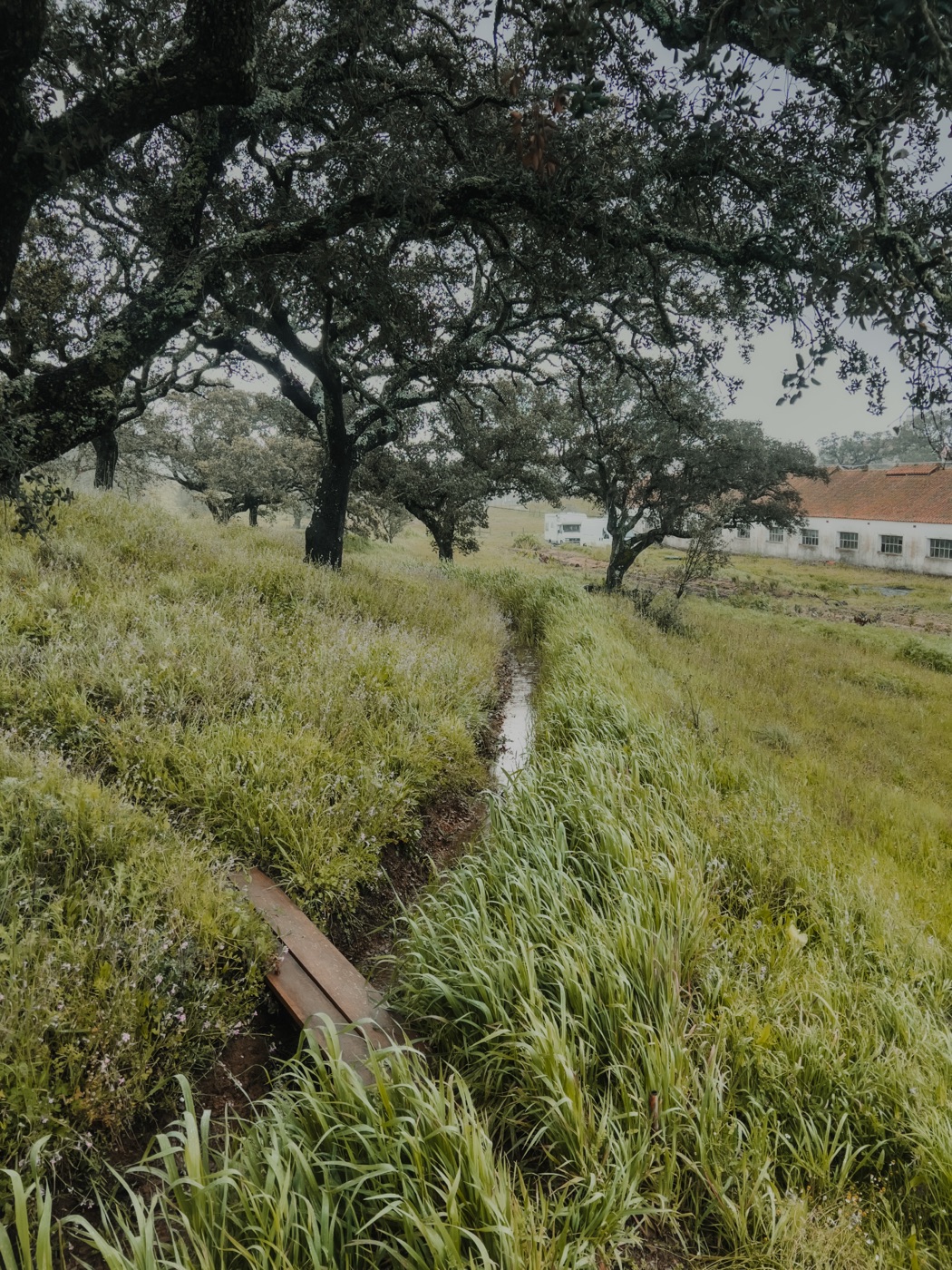
Climate Resilient Community
Communities designed to adapt to and thrive in changing climate conditions through regenerative practices, water retention, biodiversity, and resilient infrastructure that build capacity to withstand climate shocks.
What is a Climate Resilient Community?
A climate resilient community is designed to adapt to and thrive in changing climate conditions. Rather than just surviving climate change, these communities actively build resilience through regenerative practices that improve ecosystem health, water systems, and community capacity.
OASA projects are climate resilient communities, using regenerative principles to build resilience to droughts, floods, extreme weather, and other climate impacts.
Building Climate Resilience
Water Resilience
Building resilience to water scarcity and flooding:
- Water retention landscapes that capture and store rainwater
- Aquifer recharge through infiltration
- Drought-resistant systems and practices
- Flood management through earthworks
Soil Resilience
Building resilient soils:
- High organic matter content for water retention
- Diverse microbial communities
- Erosion prevention through agroforestry and ground cover
- Soil building practices that improve over time
Biodiversity Resilience
Supporting diverse ecosystems:
- 50% of land dedicated to rewilding
- Native species that are adapted to local conditions
- Diverse ecosystems that can adapt to change
- Support for keystone species
Community Resilience
Building resilient communities:
- Strong social networks and mutual support
- Local food production and self-sufficiency
- Shared resources and infrastructure
- Collective decision-making through community governance
Regenerative Practices for Climate Resilience
Regenerative practices build climate resilience:
- Water Retention: Water retention landscapes provide drought resilience
- Soil Building: Healthy soils retain water and support diverse vegetation
- Agroforestry: Agroforestry systems provide microclimate regulation
- Biodiversity: Diverse ecosystems are more resilient to change
- Carbon Sequestration: Trees and soil sequester carbon, mitigating climate change
Climate Adaptation Strategies
Drought Adaptation
Building resilience to drought:
- Water retention and storage systems
- Drought-resistant crops and vegetation
- Efficient water use practices
- Aquifer recharge through infiltration
Flood Adaptation
Building resilience to flooding:
- Water retention landscapes that slow and spread water
- Erosion prevention through vegetation
- Flood-resistant infrastructure
- Natural flood management systems
Extreme Weather Adaptation
Building resilience to extreme weather:
- Diverse ecosystems that can recover from disturbances
- Resilient infrastructure design
- Community support networks
- Local resource production
Climate Resilient Communities in Practice
At Traditional Dream Factory, climate resilience is built through:
- Water Systems: 1.2 million liters of rainwater captured through water retention landscapes
- Soil Health: Agroforestry systems building soil organic matter
- Biodiversity: 50% of land dedicated to rewilding
- Community: Strong community networks and mutual support
- Infrastructure: Resilient design and renewable energy
Long-Term Climate Resilience
Climate resilient communities think long-term:
- 1000-year investment horizons that consider future climate
- Practices that improve resilience over time
- Intergenerational thinking about climate impacts
- Building capacity for future generations
Integration with Regenerative Commons
In regenerative commons, climate resilience is built through:
- Land held in perpetual commons for long-term protection
- Following regenerative principles that build resilience
- Commons-based stewardship that considers climate impacts
- Community governance that prioritizes resilience
Learn More
Read the OASA Constitution for the complete framework of regenerative principles that build climate resilience.
See also: Regenerative Principles, Water Retention Landscapes, Sustainable Community
Related Terms
- Biodiversity - Diverse ecosystems are more resilient to climate shocks
- Ecosystem Collapse and Tipping Points - The cascading risks resilient communities help buffer against
- Regenerative Principles - Practices that build resilience
- Water Retention Landscapes - Water resilience
- Sustainable Community - Communities designed for sustainability
- Regenerative Commons Economics - Economic model