

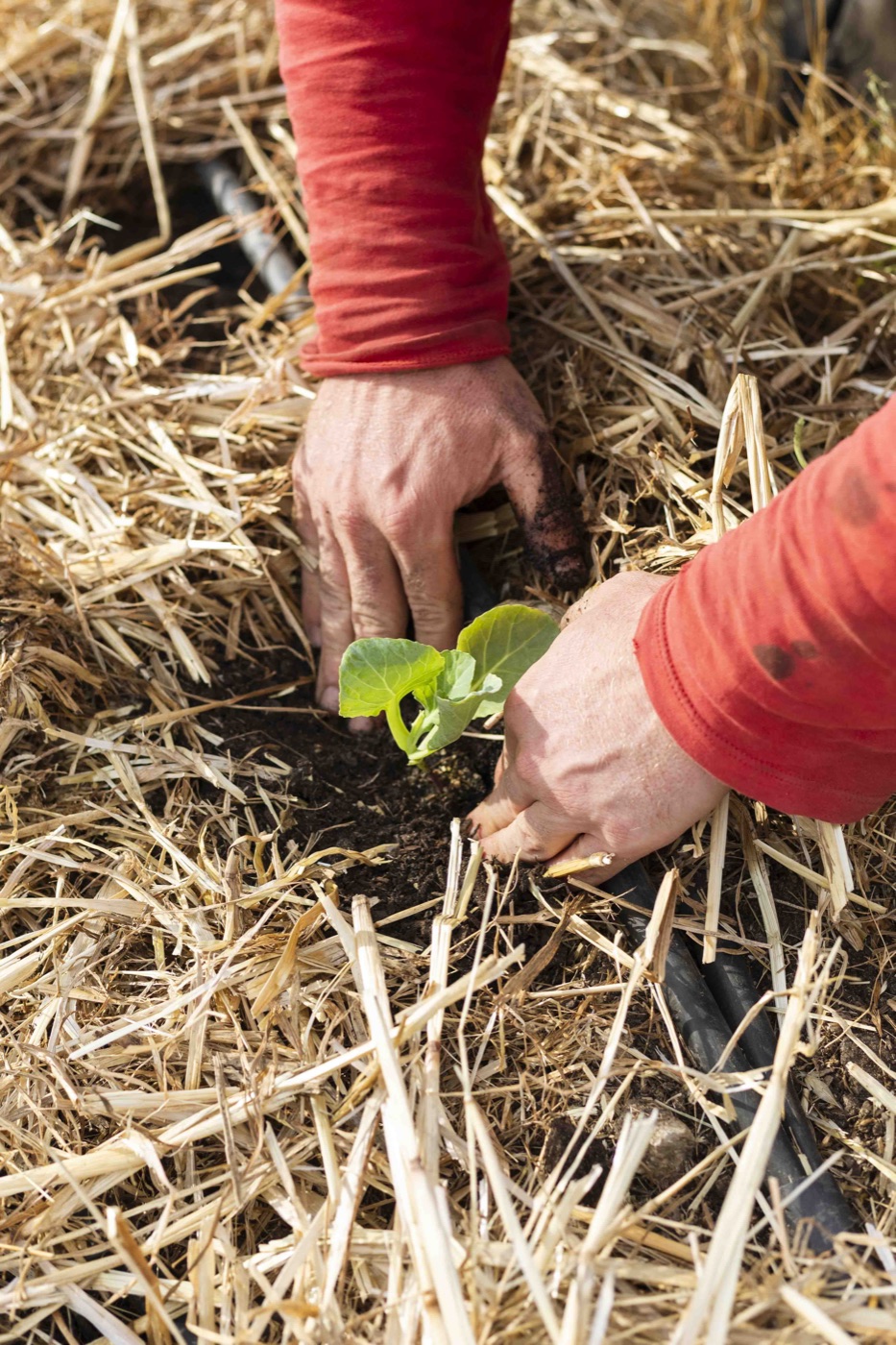
AI for Regeneration
Specific applications of artificial intelligence to regenerative practices, using AI to monitor, optimize, and enhance ecological restoration and regenerative agriculture.
What is AI for Regeneration?
AI for regeneration is a specialized application of AI for good focused specifically on ecological restoration and regenerative practices. Rather than using AI for general purposes, AI for regeneration applies machine learning, computer vision, and data analytics to support and enhance regenerative agriculture, biodiversity conservation, and ecosystem restoration.
At OASA, we use AI for regeneration to monitor ecosystem health, optimize regenerative practices, track biodiversity recovery, and support decision-making in regenerative commons projects.
Applications of AI for Regeneration
Biodiversity Monitoring
AI processes environmental DNA (eDNA) samples to identify species present in ecosystems without direct observation. This enables comprehensive biodiversity monitoring and tracking of regeneration progress over time, helping communities understand how their regenerative practices are restoring ecosystem diversity.
Ecosystem Health Tracking
AI analyzes data from sensors, satellites, drones, and community observations to create a living digital representation of the land. This "digital twin" provides transparent, real-time data on ecological health, water retention, soil quality, and biodiversity, enabling communities to track regeneration progress and make data-driven decisions.
Regenerative Agriculture Optimization
AI models can predict ecosystem responses to different interventions, helping communities make informed decisions about rewilding, water management, and agroforestry practices. This supports optimization of regenerative agriculture systems for maximum ecological benefit.
Predictive Analytics for Restoration
AI can predict how different regenerative interventions will affect ecosystem health, helping communities prioritize actions and allocate resources effectively. This includes predicting water flow patterns, soil health improvements, and biodiversity recovery trajectories.
AI Regenerative Systems
AI regenerative systems integrate artificial intelligence throughout regenerative projects to:
- Monitor Continuously: Track ecosystem health in real-time through multiple data sources
- Optimize Practices: Suggest improvements to regenerative practices based on data analysis
- Predict Outcomes: Forecast the impact of different interventions on ecosystem health
- Support Governance: Provide data-driven insights for community decision-making
- Ensure Transparency: Make regeneration progress visible and auditable to all stakeholders
AI and Regeneration: Practical Examples
Species Identification
AI can identify plant and animal species from photos, enabling community members to contribute to biodiversity monitoring through citizen science. This creates comprehensive species inventories and tracks changes over time.
Soil Health Analysis
AI analyzes soil samples and sensor data to assess soil health, nutrient levels, and microbial activity. This helps communities understand how their regenerative practices are improving soil fertility and ecosystem function.
Water System Optimization
AI models water flow patterns and retention capacity, helping optimize water retention landscapes for maximum ecological benefit. This ensures water systems support both human needs and ecosystem health.
OASA's Use of AI for Regeneration
At OASA projects like Traditional Dream Factory, we use AI for regeneration to:
- Monitor biodiversity through eDNA analysis
- Track ecosystem health through digital twin technology
- Support community governance with data-driven insights
- Optimize regenerative practices for maximum ecological benefit
- Create transparency in regeneration progress
Future of AI in Regeneration
As AI capabilities advance, opportunities for regeneration grow. The future of artificial intelligence in regenerative systems includes more sophisticated monitoring, predictive modeling, and decision support, all aligned with ecological and social well-being.
OASA's vision is to demonstrate how AI can serve as a tool for regeneration, supporting regenerative civilization rather than extractive growth.
Learn More
Explore how OASA uses AI in our research papers and Constitution.
See also: AI for Good, Environmental DNA Biodiversity Monitoring, Regenerative Principles
Related Terms
- AI for Good - AI for social and environmental good
- Future of Artificial Intelligence - AI's role in regenerative systems
- Environmental DNA Biodiversity Monitoring - AI-powered biodiversity tracking
- Regenerative Principles - Practices supported by AI
- Operating System Regenerative Civilization - Technology for regeneration