

Agroforestry
A land management system that integrates trees, crops, and sometimes animals in symbiotic arrangements, mimicking natural forests while producing food, timber, and other products.
What is Agroforestry?
Agroforestry is a regenerative land management approach that integrates trees, crops, and sometimes animals in symbiotic arrangements. Unlike industrial monoculture farming, agroforestry designs polyculture systems reminiscent of natural forests: mixed trees, crops, and sometimes animals working together in mutually beneficial relationships.
These systems can restore soil fertility, increase wildlife habitat, and even enhance yields of diverse products (fruits, nuts, timber, medicinal plants) while sequestering carbon. As described in From Commons to Commodities and Back, agroforestry represents a prime example of blending production with ecology.
Key Principles
Polyculture Over Monoculture
Instead of endless monoculture fields that typify industrial farming, agroforestry systems plant diverse species together. OASA projects must integrate tree crops or food forests, with minimum requirements of five species per 10 m² and 20 species per hectare, as outlined in the OASA Constitution.
Symbiotic Relationships
Trees provide shade, wind protection, and nutrient cycling for crops. Deep-rooted trees bring nutrients from deep soil layers to the surface. Nitrogen-fixing trees enrich the soil for other plants. Animals can graze between trees, providing manure while controlling weeds.
Multiple Yields
Agroforestry systems produce diverse outputs: fruits, nuts, timber, medicinal plants, fodder, and crops—all from the same piece of land. This creates more total nutrition per hectare when polyculture outputs are counted, compared to single-crop systems.
Benefits of Agroforestry
Soil Restoration
Trees and their root systems help build soil organic matter, prevent erosion, and improve water retention. Leaf litter and pruned biomass return nutrients to the soil, creating a self-fertilizing system.
Carbon Sequestration
Trees sequester significant amounts of carbon in their biomass and in the soil. Agroforestry systems can be powerful tools for climate mitigation while producing food and materials.
Biodiversity Enhancement
Mixed systems provide habitat for a wide variety of species—birds, insects, mammals, and microorganisms. This increases ecosystem resilience and provides natural pest control.
Drought Resilience
A well-known success story is the use of agroforestry in Niger, where farmers allowed native acacia trees to regrow in crop fields, leading to improved soil moisture and higher crop stability across drought years. Trees help create microclimates and improve water retention in the landscape.
Economic Resilience
Diverse yields provide multiple income streams and reduce risk. If one crop fails, others may still produce. This creates economic stability for communities practicing agroforestry.
Agroforestry in OASA Projects
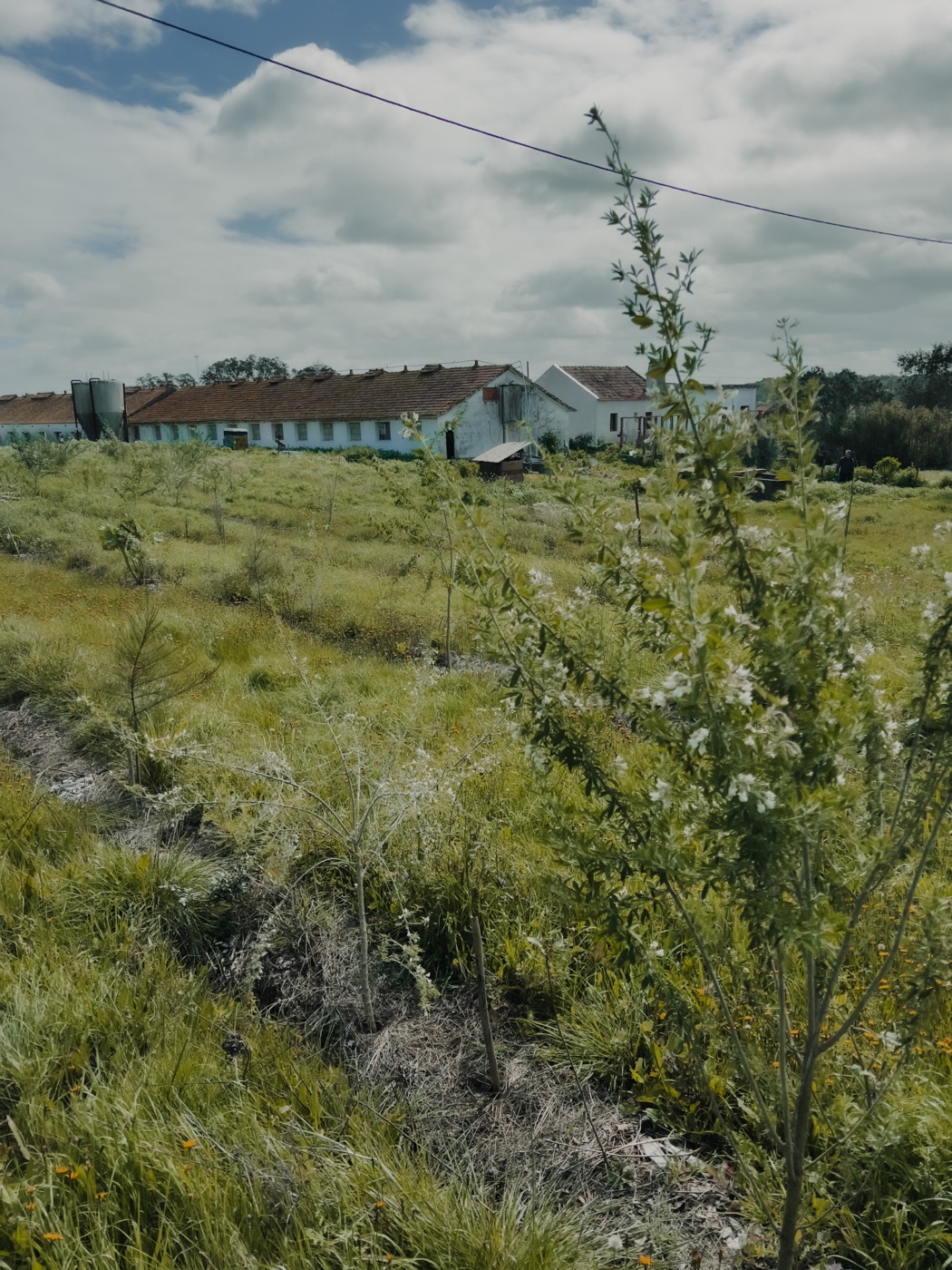
OASA projects are required to integrate agroforestry and food forests as part of their regenerative principles. At Traditional Dream Factory (TDF), agroforestry plots have been established alongside other regenerative practices.
As noted in Rethinking Wealth, TDF has started small on-site enterprises including agroforestry plots, which yield products and ecosystem services (e.g., food, soil restoration) that offset costs for the community.
Types of Agroforestry Systems
Alley Cropping
Rows of trees or shrubs planted with crops in between. The trees provide benefits while crops are grown in the alleys.
Silvopasture
Integrating trees with pasture and livestock. Animals graze among trees, which provide shade, fodder, and improved soil conditions.
Forest Gardens / Food Forests
Multi-layered systems mimicking natural forest structure: canopy trees, understory trees, shrubs, herbs, and ground covers, all producing food and materials.
Windbreaks and Shelterbelts
Rows of trees planted to protect crops and animals from wind, reducing erosion and creating favorable microclimates.
Implementation Considerations
Successful agroforestry requires careful design that considers local climate, soil conditions, species compatibility, and community needs. It often requires a shift from short-term thinking to long-term planning, as trees take years to mature but provide benefits for decades or centuries.
In OASA's model, where land is held in perpetual commons, agroforestry systems can be designed with truly long-term horizons—planting trees that will benefit future generations, not just the current owners.
Future Potential
As described in the manifesto, regenerative systems may produce slightly less commodity grain per hectare in the short run, but they produce far more total nutrition per hectare when polyculture outputs are counted, and they do so without eroding the soil or drying the rivers. Agroforestry represents a key pathway toward a regenerative future where food production and ecosystem health are mutually reinforcing.
Related Terms
- Biodiversity - The ecological diversity that agroforestry systems support and enhance
- Water Retention Landscapes - Integration with water systems
- Regenerative Agriculture Commons Model - Agriculture within regenerative commons
- Regenerative Principles - Core principles including soil and biodiversity
- Perpetual Commons - Land tenure model supporting long-term agroforestry