OASA Logo OASA
Community wellbeing and regenerative living at Traditional Dream Factory

Glossary

Key concepts, terms, and principles from OASA's research on regenerative commons, land stewardship, and regenerative economics.

A

1000-Year Investment Horizon
Investment thinking that considers impacts on future generations over 1000-year timeframes, ensuring decisions benefit long-term ecological health and intergenerational justice.
Agroforestry
A land management system that integrates trees, crops, and sometimes animals in symbiotic arrangements, mimicking natural forests while producing food, timber, and other products. OASA projects must integrate tree crops or food forests.
AI for Good
The application of artificial intelligence to solve social and environmental challenges, creating positive impact through technology that serves humanity and ecosystems. OASA uses AI for biodiversity monitoring, governance, and regenerative systems.
AI for Regeneration
Specific applications of artificial intelligence to regenerative practices, including biodiversity monitoring, ecosystem restoration, and regenerative agriculture.
Antifragility
A property of systems that actually strengthen under stress or volatility. Commons economies can be antifragile because they have diverse revenue streams and cooperative structures that adapt to shocks.

B

Biodiversity
The variety of life in an ecosystem. OASA projects must maintain and enhance biodiversity through rewilding, native species planting, and diverse agricultural systems. At least 50% of land must be wild or rewilded.
Bonding Curve
An algorithmic pricing mechanism where token prices increase as more tokens are issued, reflecting the project's capacity constraints. Early supporters pay lower prices, while later buyers pay more as the project matures and risk decreases.
Bonding Curve Financing Regenerative Projects
Using bonding curves to enable continuous token sales that finance regenerative commons projects, providing capital for land acquisition and infrastructure.

C

Catalytic Capital
Early-stage funding for land acquisition and regeneration that is non-speculative. Returns are measured in ecological health, community resilience, and long-term stability rather than financial dividends.
Citizen
A member of an OASA project who holds a threshold quantity of the project's local token, has contributed materially to stewardship, and is vouched for by existing Citizens. Citizens have full governance and use rights.
Climate Resilient Community
Communities designed to adapt to and thrive in changing climate conditions through regenerative practices, water retention, biodiversity, and resilient infrastructure.
Coliving Portugal
Community living spaces in Portugal that combine accommodation, coworking, and sustainable living, creating spaces for digital nomads, remote workers, and expats seeking connection and regeneration.
Commons
Resources or land held collectively and managed for the benefit of a community, rather than owned privately for individual profit. OASA restructures land ownership into perpetual commons held in trust.
Commons-Based Land Stewardship
Land stewardship practices where communities collectively care for land held in perpetual commons, following regenerative principles and community governance.
Commons Market Maker
A smart contract that implements a bonding curve for token issuance, enabling continuous token sales while preventing overselling beyond the project's physical capacity.
Commons vs. REIT vs. CLT Comparison
Comparison of three land ownership models: regenerative commons, Real Estate Investment Trusts (REITs), and Community Land Trusts (CLTs), understanding their differences in purpose, structure, and outcomes.
Community Land Trust (CLT)
A nonprofit organization that acquires and holds land in trust to preserve affordability or conservation. OASA's model differs by using token pre-sales for financing while maintaining the trust structure.
Community Living Portugal
Intentional communities in Portugal that combine sustainable living, regenerative practices, and community connection, creating alternatives to isolated living.
Community Values
Shared principles that guide regenerative communities, creating alignment around ecological stewardship, mutual support, transparency, and intergenerational responsibility.

D

DAO (Decentralized Autonomous Organization)
A governance structure where decisions are made collectively by token holders through transparent voting mechanisms. OASA projects use DAOs for community governance while maintaining legal entities for land holding.
DAO Governance Land Stewardship
Using decentralized autonomous organization governance to manage land held in perpetual commons, enabling transparent, participatory decision-making for regenerative stewardship.
Digitized Commons
The principle that data, contracts, and governance rules are public goods. OASA commits to open-source development, transparent data sharing, and privacy by design, making information about the commons accessible to all stakeholders.
Digital Twin
A living digital representation of the land created through continuous monitoring via sensors, satellites, drones, and community observations. Provides transparent data on ecological health and regeneration progress.

E

Eco Community
A community designed around ecological principles, integrating sustainable practices, renewable energy, and collective governance to create resilient, regenerative living spaces.
Eco Living
Lifestyle practices that minimize environmental impact and support ecological health, including renewable energy, local food, waste reduction, and integration with regenerative practices.
Ecovillage
An intentional community designed for sustainable living, combining ecological design, renewable energy, and community governance to create self-sufficient, regenerative settlements.
Environmental DNA (eDNA)
Genetic material collected from environmental samples (soil, water) that reveals which species are present in an ecosystem without direct observation. Used by OASA projects for biodiversity monitoring and baseline inventories.
Environmental DNA Biodiversity Monitoring
Using environmental DNA (eDNA) samples to identify species present in ecosystems without direct observation, enabling comprehensive biodiversity monitoring and tracking of regeneration progress.
Exit to Commons
The strategy of using incoming token sales to retire debt, gradually eliminating all private claims (loans) so the land and infrastructure are owned free and clear by the nonprofit commons entity. The exit is achieved when debt is cleared, not through asset sale.
Exit to Commons Debt Retirement
The strategy of using incoming token sales to retire debt, gradually eliminating all private claims so land is owned free and clear by the nonprofit commons entity.

F

Future of Artificial Intelligence
The role of artificial intelligence in regenerative systems, including more sophisticated monitoring, predictive modeling, and decision support aligned with ecological and social well-being.

G

General Meeting (GM)
The highest deliberative body of OASA, composed of representative delegates from all Projects. The GM approves new projects, amends the constitution and principles, and revokes projects that violate the Principles of Regeneration.
Guardians of Nature
Trusted individuals or bodies appointed to represent the rights of water, soil, air, flora, and fauna. Guardians can flag or veto decisions that would compromise ecological integrity, ensuring intergenerational justice and ecological principles are upheld.

H

How to Create Regenerative Commons
A step-by-step guide to establishing regenerative commons projects, from land acquisition and legal structure to governance setup and regenerative practices.
Humans as Keystone Species
The philosophy that humans can become keystone species through regenerative practices that increase biodiversity and ecosystem function, actively supporting rather than degrading ecosystems.

K

Keystone Species
Species that create conditions for many others to thrive (like beavers building wetlands). OASA's philosophy holds that humans can become keystone species through regenerative practices that increase biodiversity and ecosystem function.

L

Land as Commons Not Commodities
The core philosophy that land should be held in common rather than treated as a commodity to be bought, sold, and extracted from. OASA restructures land ownership into perpetual commons held in trust.
Land Stewardship vs. Land Ownership
The fundamental shift from treating land as property to be bought, sold, and extracted from, to caring for land as a trust to be improved and passed on to future generations.

N

Nature-Backed Economy
An economic model where the underlying asset is the health of the land itself. Rather than treating land as a commodity, tokenized access rights enable communities to finance regenerative infrastructure while ensuring land remains in trust. Returns are measured in ecosystem health and social wellbeing.
Nature Token
Tokens that represent tokenized access rights to land held in perpetual commons, with value backed by the health and productivity of real ecosystems rather than abstract financial instruments.

O

Operating System Regenerative Civilization
OASA's vision for the foundational systems—technology, governance, economics, and culture—that enable regenerative civilization, where human activity supports rather than degrades living systems.

P

Perpetual Commons
Land or resources held in trust forever, with legal guardrails ensuring they can never be sold, privatized, or exploited for private gain. The asset exists for the commons in perpetuity, with any proceeds from dissolution going to similar regenerative causes.
Perpetual Land Trust Model
Legal structure where land is placed in a trust or Special Purpose Vehicle (SPV) that prevents sale or privatization, ensuring land remains in perpetual commons forever.
Principles of Regeneration
Seven core principles that all OASA projects must uphold: Soil, Water, Air, Waste, Rewilding and Biodiversity, Resources, and Community. These set minimum ecological and social standards ensuring every project actively heals and restores ecosystems.
Proof of Presence
A mechanism that tracks how many nights each member actually spends on-site, weighting governance influence so that those who actively contribute and reside have a greater say. Prevents absentee holders from dominating decisions.
Project Assembly
The primary governance body for each OASA project, comprising all Citizens. Responsible for developing masterplans, setting local governance rules, approving budgets, and adjusting token parameters within constitutional limits.

R

Real World Assets Tokenization
The process of representing physical assets like land on blockchain through tokens, enabling new forms of financing and governance while maintaining the underlying asset's integrity. OASA tokenizes land access rights, not ownership.
REIT (Real Estate Investment Trust)
A vehicle for investors to earn profit from real estate holdings. OASA's model differs by pooling capital without extracting dividends and never reselling land for profit. Success is measured by quality of life and land health, not financial yield.
Regeneration
The practice of actively healing and restoring ecosystems so they can sustain abundance. More than sustainable use, regeneration means increasing biodiversity, soil fertility, water retention, and ecosystem function over time.
Regenerative Agriculture Commons Model
Farming practices that build soil health, support biodiversity, and produce food within regenerative commons, where land is held in perpetual trust and agriculture actively improves ecosystems.
Regenerative AGI
OASA's vision for artificial general intelligence designed to participate in planetary healing rather than extraction. Regenerative AGI is aligned with living systems, operates within planetary boundaries, and treats intelligence as a commons, augmenting collective ecological intelligence rather than replacing human agency.
Regenerative Commons Economics
An economic framework where land held in common generates enduring prosperity through regenerative stewardship, creating returns in ecosystem health rather than extraction. See Rethinking Wealth for full analysis.
Regenerative Commons Examples
Real-world projects demonstrating regenerative commons economics, perpetual commons, and regenerative principles in practice, showing how land can be restored to commons while creating thriving communities.
Regenerative Commons Manifesto
OASA's foundational philosophy explaining how land moved from commons to commodities through enclosure and privatization, and how we can restore it to perpetual commons through regenerative practices.
Regenerative Finance
A financial movement that aligns capital with ecological and social regeneration, using blockchain technology to fund projects that restore ecosystems and build resilient communities. Also known as ReFi.
Regenerative Principles
Seven core principles that all OASA projects must uphold: Soil, Water, Air, Waste, Rewilding and Biodiversity, Resources, and Community, ensuring every project actively heals and restores ecosystems.
Regenerative Principles: Soil, Water, Air
Core regenerative practices that actively improve soil health, water systems, and air quality—the foundation of ecosystem restoration and regenerative agriculture.
Remote Work Communities
Intentional communities designed for remote workers and digital nomads, combining high-speed internet, coworking spaces, and sustainable living with community connection and regenerative practices.
Rewilding
Giving land back to natural processes, allowing forests to regrow, rivers to meander, and native species to reclaim their niches. OASA requires at least 50% of project land to be kept as wild or rewilded, where native flora and fauna restore ecosystem integrity.
Rewilding 50% Land Conservation
OASA's mandatory requirement that at least 50% of project land must be dedicated to rewilding and biodiversity conservation, creating core wilderness areas that support ecosystem function.

S

Self-Sufficient Living
Communities that produce their own food, energy, water, and other essential resources, reducing dependence on external systems while building resilience and sustainability.
SPV (Special Purpose Vehicle)
A legal entity controlled by the OASA Association to hold land in trust and prevent privatization. Each project's land must be placed into an SPV or equivalent structure, ensuring it remains in the commons forever.
Stewardship
The practice of caring for land and resources with long-term responsibility, moving from ownership to stewardship. Stewards actively maintain and improve the land for future generations rather than extracting value for short-term gain.
Sustainable Community
A community designed for sustainability through ecological practices, renewable energy, collective governance, and regenerative principles that minimize environmental impact while maximizing quality of life.
Sustainable Living
A lifestyle that reduces individual and collective environmental impact through practices like renewable energy, local food production, waste reduction, and regenerative principles that actively restore ecosystems.
Sustainable Lifestyle
A way of living that reduces individual and collective environmental impact through practices like renewable energy, local food production, waste reduction, and conscious consumption.

T

Tokenized Access Rights
Blockchain tokens that symbolize membership, access, and governance participation rather than ownership. The primary promise is "1 token = 1 night's stay per year, forever." Tokens confer use rights and governance rights but no ownership or profit share.
Traditional Dream Factory Case Study
OASA's flagship regenerative commons project in Alentejo, Portugal—a 25-hectare regenerative village demonstrating regenerative commons economics, perpetual commons, and regenerative principles in practice.
Traditional Dream Factory (TDF)
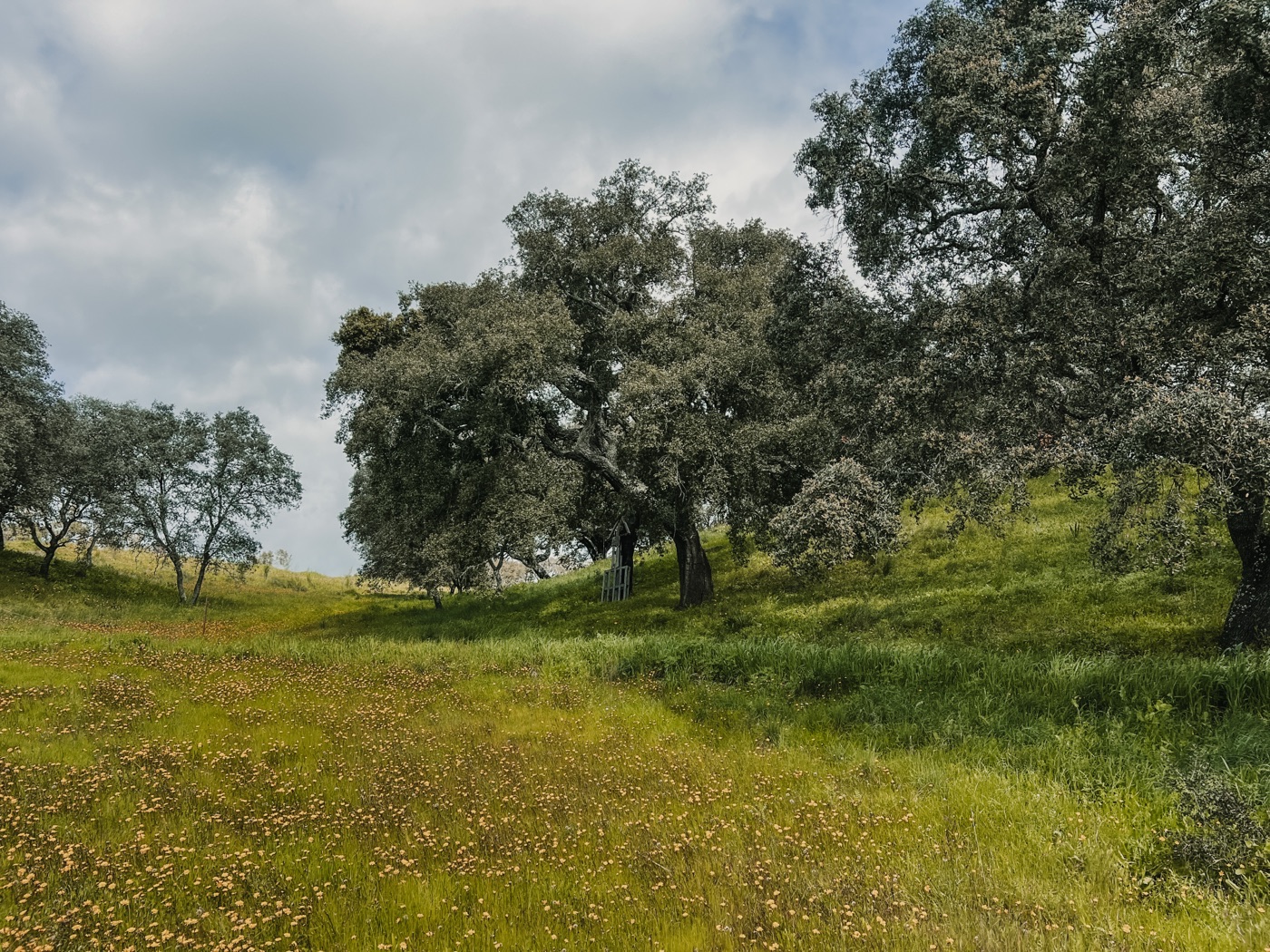
OASA's first regenerative village prototype in Alentejo, Portugal. A 25-hectare site demonstrating the nature-backed, commons-based economy in practice through tokenized access rights, community governance, and regenerative principles.

U

Utility Token
A token that provides usage rights (accommodation nights, harvest shares, votes) and governance participation. Utility tokens are non-equity instruments with no financial return and cannot be redeemed for currency. They are explicitly anti-speculative by design.

W

Water Retention Landscapes
Earthworks and design techniques that slow, spread, and sink water into the ground rather than draining it off quickly. Includes swales, ponds, terraces, and wetlands that capture rainfall, recharge aquifers, and restore the hydrological cycle.
Water Retention Landscapes Permaculture
Designing landscapes using permaculture principles to slow, spread, and sink water into the ground, restoring the hydrological cycle through earthworks, swales, and other water retention features.
Web3 Land Projects
Regenerative commons projects that use blockchain technology for governance, tokenization, and financing, enabling transparent, decentralized management of land held in perpetual commons.
What is Nature-Backed Economy?
An economic model where the value of tokens and assets is backed by the health and productivity of real ecosystems, creating alignment between financial value and ecological health.

For more detailed explanations, see our research papers.